Making The Most Of October’s Renovation Window
Capitalise on warm autumn soils before temperatures fall
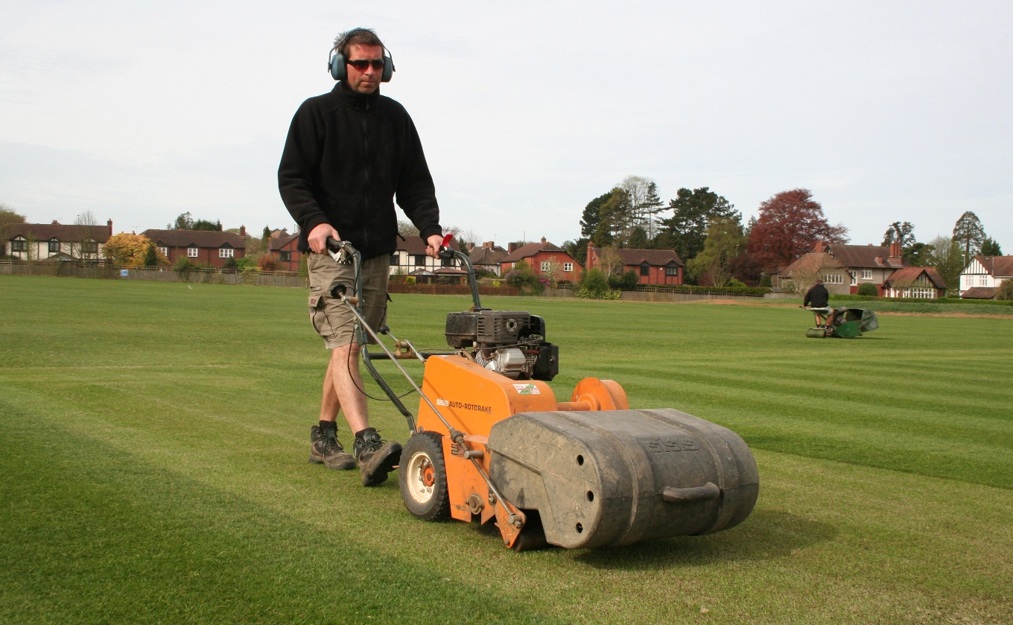
For many grass roots cricket and bowls clubs the continuing warm weather in October is certainly helping them complete their end of season renovations.
The Met Office says October began unusually mild, following an exceptionally warm summer and a joint-fourth warmest September on record. September was particularly dry in southern and eastern England, although rainfall varied considerably across the country.
For cricket, this is potentially an excellent renovation window. The key advantages of warm October soil are faster germination rates of seeds – which can be anything between 7-10 days, and potentially quicker, establishment of new seedlings.
That then aides increased recovery from scarification operations, particularly where the existing sward has been opened aggressively.
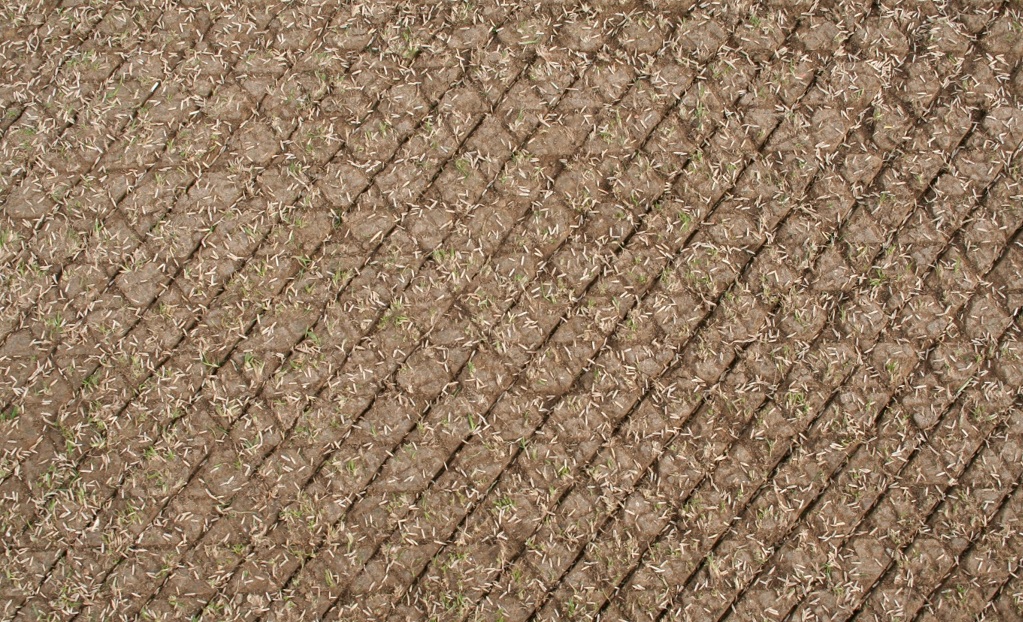
Scarified and seeded square
The warm moist soils will also activate any applied fertiliser applications giving more rapid rooting of newly germinated ryegrass.
Generally, a good renovation for cricket pitches recommends mowing, aggressive scarification, overseeding, pre-seed fertiliser and clay-loam topdressing as the principal renovation operations, with watering considered where rainfall is insufficient.
The same applies to bowls, perhaps even more strongly, because bent and fescue-dominated bowling greens can establish relatively slowly.
Guidance can specifically note that early autumn soil warmth allows repairs to establish rapidly, while fescue and bent seed can take considerably longer to germinate as temperatures decline.
The UK has come through an exceptionally warm and, in many areas, very dry summer. Consequently, I would advise clubs to check the soil profile before renovating, rather than simply assuming that October rainfall has corrected the moisture deficit.
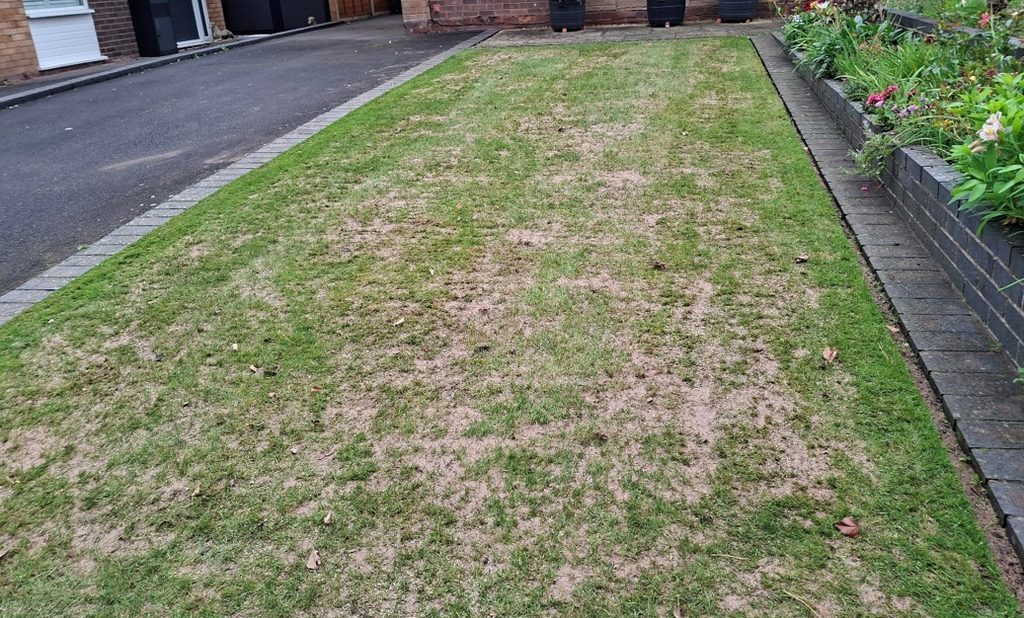
Renovated lawn
The current forecast suggests that the very warm spell is now giving way to more typical autumn weather. The Met Office expects temperatures to remain a little above average overall through much of October, but with more rain and unsettled conditions developing.
So, my advice is to get your renovations done before we see air and soil temperatures dipping below double figures. I have recently renovated a couple of lawns and the seed has germinated within seven days. I will follow these up by applying a fertiliser product to help invigorate some growth before soil temperatures drop.
Bowls England specifically recommends continued autumn aeration and feeding after renovation rather than simply “putting the green to bed.”
The interesting issue now is how much of this unusually warm autumn could extend the grass-growing season into November, and what that might mean for Fusarium, Red Thread and other autumn turf diseases on renovated cricket squares and bowling greens?
The combination of unusually warm temperatures, moisture, heavy dew and prolonged leaf wetness could increase turf-disease pressure on UK sports surfaces this autumn and potentially carry that pressure into winter.
The current Met Office outlook is particularly relevant: October is expected to remain changeable, wetter than recent weeks in many areas, with temperatures generally near or above average, although with some colder interludes.
For October 2026, I would be watching particularly closely for:
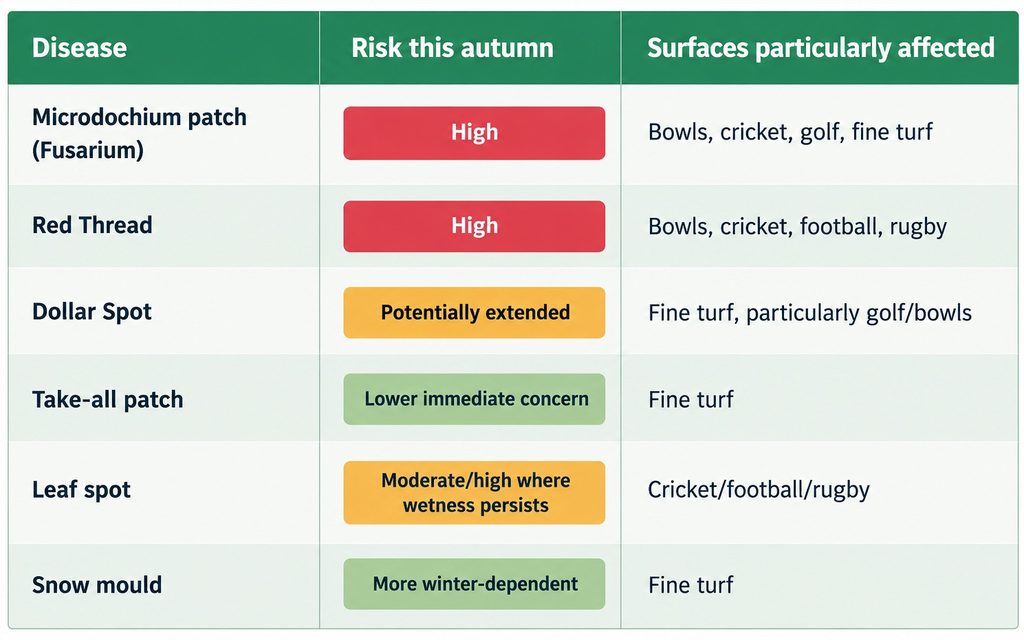
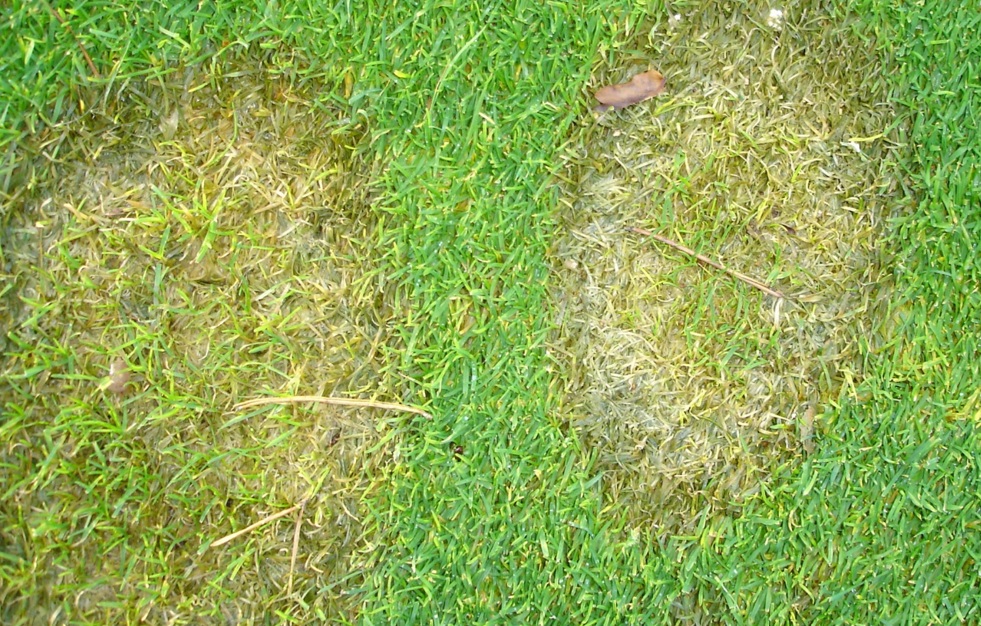
Microdochium patch (Fusarium)
Microdochium/Fusarium is the one I’d be most concerned about and is particularly associated with cool, wet conditions, high humidity, dew and prolonged surface wetness. It can occur throughout winter, and the pathogen can remain in organic material and thatch.
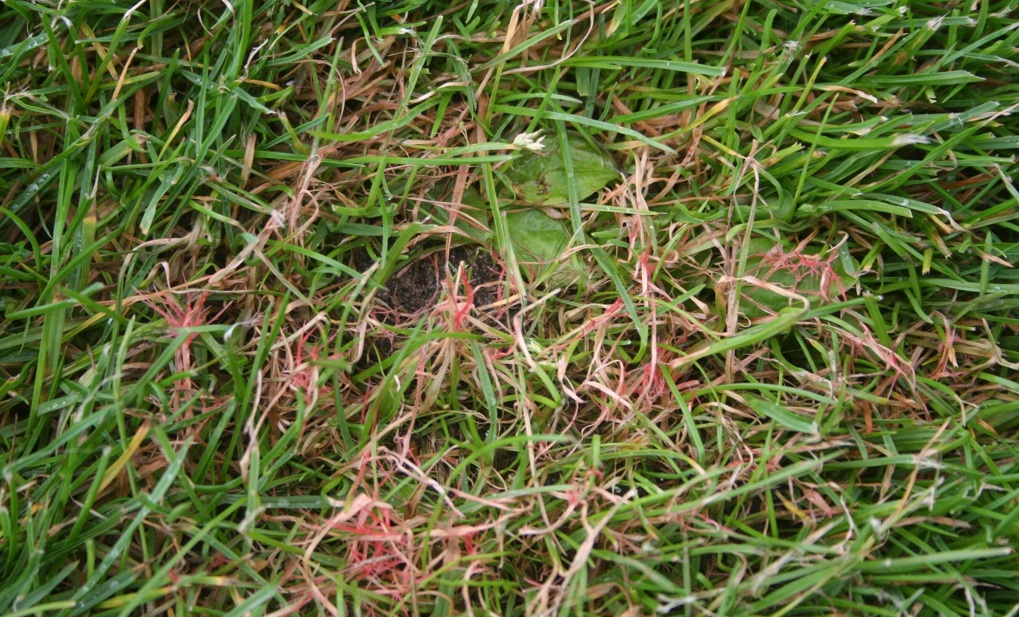
Red thread
Red Thread could also be significant and is particularly relevant to cricket squares, bowling greens and winter sports pitches. It is associated with mild, cool and wet conditions and can persist into winter when conditions remain mild. Low nitrogen status, drought stress and compaction can make turf more susceptible. Generally an application of autumn fertiliser product will help clear up red thread disease along with removing heavy early morning dew deposits by brushing / swishing the playing surface.
Morning dew removal is particularly useful because it reduces the period for which the leaf remains continuously wet.
A sharp spell of cold, drying winds and frost can interrupt disease development. Conversely, if November and December remain mild, humid and wet, with little frost and frequent dew, disease pressure could remain unusually high.
That is potentially a very important issue for UK bowls and cricket clubs this winter, particularly following the stress that many surfaces experienced during the exceptionally warm/dry 2026 season.