The Changing Face Of Grassroots Sports
TurfPro editor, Laurence Gale says overall participation may be rising, but traditional clubs are facing an increasingly difficult battle
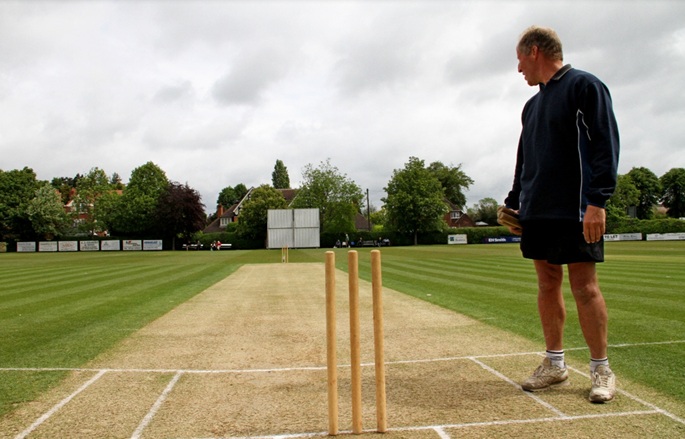
Having played and coached sport for many years, and been involved in the maintenance of sport pitches, I have definitely seen a change in how clubs need to be run and managed. Back in my day, especially around the mid-1970s, grass-surfaced sports clubs were thriving in terms of participation, and number of sports clubs playing competitive sport fixtures.
Most large industrial manufacturers provided a multi sports leisure facility that offered a range of sports to play that included cricket, football, rugby, bowls, tennis and some cases running / cycle tracks.
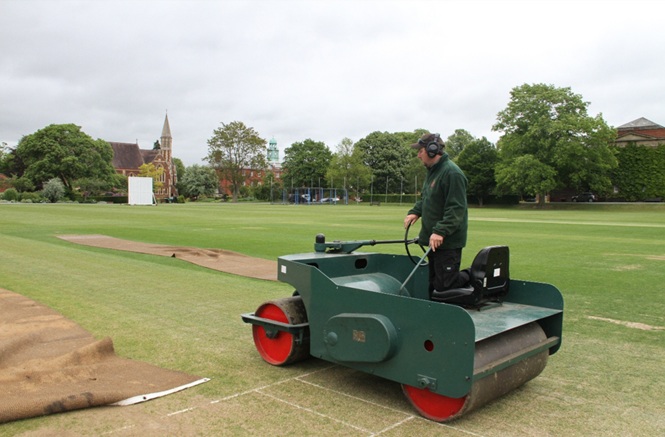
Many famous brands provided their workers a members’ sports facility. Companies such as Cadburys, Rolls Royce, GEC Witton, Lucas AeroSpace, Goodyear, Unilever for example. We then had coal mines providing sports facilities, coupled with many school old boys’ clubs, plus village clubs, thus making up a plethora of sporting facilities available to many cities, towns and villages.
However, many of these provided work facilities closed during the late 1980s and onwards. Many coal mines were being closed and many established manufacturing brands where reorganising their production facilities, with many closings down their sports provision due to changing working patterns and labour needs.
This decline of industry and factory-provided sports facilities in the UK was driven by a combination of economic restructuring, industrial decline, and changing employment practices. Before the 1980s, many large employers saw sports facilities as part of their responsibility to employees.
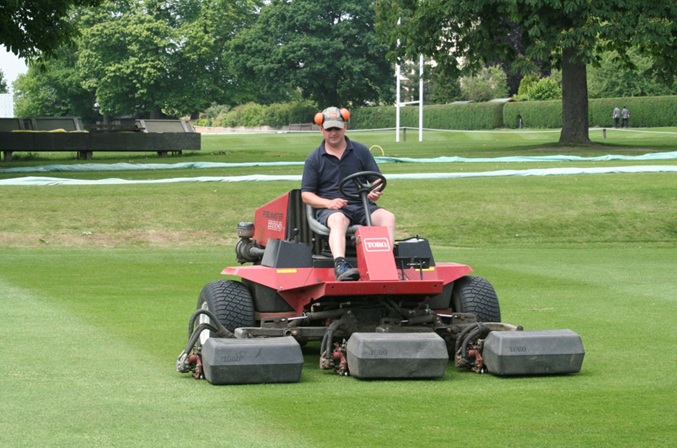
Deindustrialisation was the biggest factor. Also, people increasingly had alternatives to employer-organised sport and were able to choose from an array of new leisure facilities being offered such as commercial gyms, leisure centres, health clubs and individual fitness activities.
Participation became less tied to the workplace, which in turn had a significant effect on local sport because many community clubs had originated as workplace teams. Some became independent community clubs and survived. Others folded once company funding ended.
Many sports clubs still carry names that reflect their industrial origins, even though the employer is long gone. Some continue to thrive as independent clubs run by volunteers, while others have disappeared or sold their grounds.
The decline of employer-funded facilities left a gap that has never been fully replaced. Modern grassroots sport relies much more heavily on volunteers, local authorities, national governing bodies (such as the FA, ECB and RFU), Lottery funding, and charitable grants.
As a result, many clubs today face ongoing challenges with funding, ageing facilities, and volunteer recruitment.
So, my question is this: has grassroot sports participation declined in recent years?
I believe that the answer is yes and no. If you look at overall sport and physical activity in England, participation is at a record high. More than 30 million adults are meeting recommended activity levels, and overall activity has increased significantly since 2015.
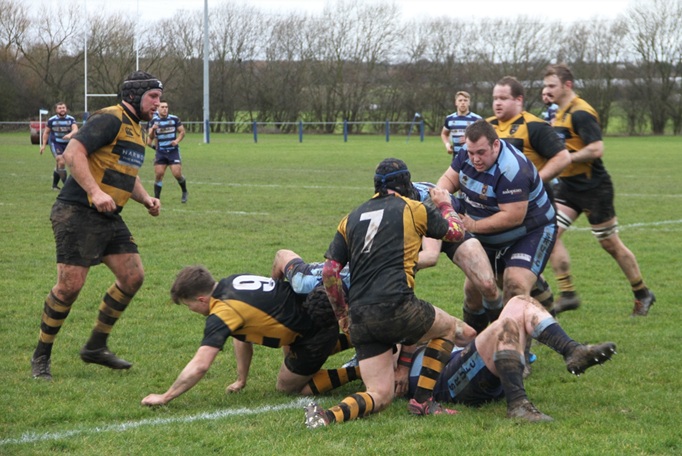
However, for many traditional grassroots club sports – especially rugby, bowls, and some forms of cricket – clubs often feel participation is declining, even when national activity figures are stable.
Football remains the UK’s largest grassroots team sport and participation has generally been resilient. Women’s and girls’ football have grown strongly, helping offset declines in some men’s age groups.
Challenges that clubs report include shortage of volunteers, plus rising facility and pitch costs. Players preferring casual 5-a-side or flexible formats rather than weekly club commitments and competition from gyms, fitness classes and individual activities.
Rugby has probably experienced the most obvious grassroots pressures. With clubs finding difficulty fielding senior teams, fixture cancellations due to lack of players, club mergers or withdrawals from league structures.
Reasons commonly cited include concerns over concussion and head injuries, time commitment compared with other sports, changing social habits among younger adults, iIncreased travel and participation costs.
Cricket: Junior participation and short-format cricket have held up relatively well in many areas, but many clubs struggle with, recruiting adult players, finding volunteers and grounds staff, and the time commitment of traditional weekend cricket.
The ECB’s Hundred competition and shorter formats have attracted new audiences, but not all of that translates into club players.
Bowls faces perhaps the biggest demographic challenge. Many clubs have aging memberships, difficulty attracting younger players, rising maintenance costs for greens and volunteer shortages.
For sport clubs like these the biggest issue often isn’t attracting a few new members – it’s finding enough regular players, volunteers and groundspeople to keep the club running week after week. That is where many grassroots clubs are feeling the squeeze most acutely.
For me personally there are several significant issues that are affecting clubs now.
Firstly, it is the shear cost of providing these facilities. In recent years we have seen dramatic increase in running costs including gas, water and electricity. Keeping the club open over a number of days to make them commercially viable has risen. Clubs often now pay bar stewards and key staff a wage. Most coaches have to be certified and qualified. All cost the club money. And many clubs are paying for coaches and players. Bar profits are tight these days, mainly due to overhead costs and the fact that members are restricted on the amount they can consume. Also plenty of players don’t stop and drink like we did in the 1980s!
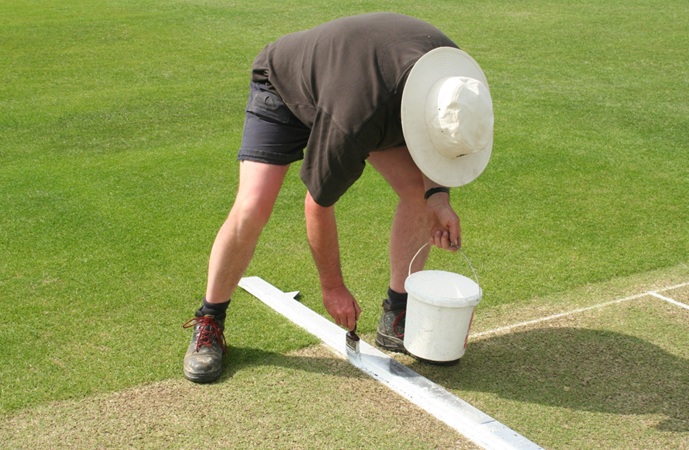
Getting players to pay their subs is becoming more difficult. Many players in fact, expect to be paid or given subsidies / sponsorship. The junior sections seem to be holding their own, but I have seen in recent years, once they reach 16-18 years of age, they either become disinterested or leave the club to go and work or go to university. Essentially clubs are losing players they have nurtured for many years.
Club membership costs are generally low compared to other commercial sporting outlets; a typical sport gym would cost in the region of £500 a year whereas most clubs charge less than £150 a year playing membership.
But probably the biggest challenge is retaining willing volunteers to help run the clubs. Most of my generation are still involved heavily with their clubs, however, in a few year’s time these people will not be there. We are also seeing a decline in the younger age groups finding time to commit to their clubs once they finish playing.
Also, for me, I know there was the odd boot money in sport back in the 70s and 80s at certain levels of the sport, but now we are seeing a lot of grassroot clubs going down the road of paying coaches and players. It was unheard of in my days of being a club coach.
My moto is you either play the club for the kudos and pride in being with that club and stay with it through thick and thin – or the club goes totally professional and pays all their players.
I cannot see how it works when a team has some players on a certain pay scale and others not being paid the same?
My old club lost several players in one season, with some attracted by another club prepared to pay them for each game. Some grassroots players are getting between £100-150 per game, Based on the minimum rate of £100, 25 squad players being paid £100 per week equates to £2500 a week wage bill – times that by 24 league matches per season and that will generate a wage bill of £60,000.
That’s a colossal amount of money to find and there’s no guarantee they will win the league. Often these clubs just bobble up and down a few leagues over the years. Is that a sustainable practise?
Many clubs rely heavily on the goodwill of club members, the odd financial backer and several key sponsors to help keep the club afloat. Talking to a good friend and fellow player who has been successful in running a business, he thinks it is time many grassroots clubs started to pay professional managers to come in and run the clubs. This could ensure the right club members and people are in place to generate the much-needed income and carry out the jobs that need doing. This could include maximising the use of the clubs’ facilities for weddings, events, etc to generate enough money to pay all the bills.
I must also mention that even with all the recent funding grassroots clubs are receiving from lottery schemes, along with support of the sport’s governing bodies and the GMA’s pitch advisory service, clubs are still struggling to find the money to fully fund their running.
Being a player in a grassroots sports club in the UK offers rewards that extend far beyond the sport itself. While winning matches and trophies is enjoyable, research consistently shows that the social, physical and psychological benefits are what keep people involved over the long term.
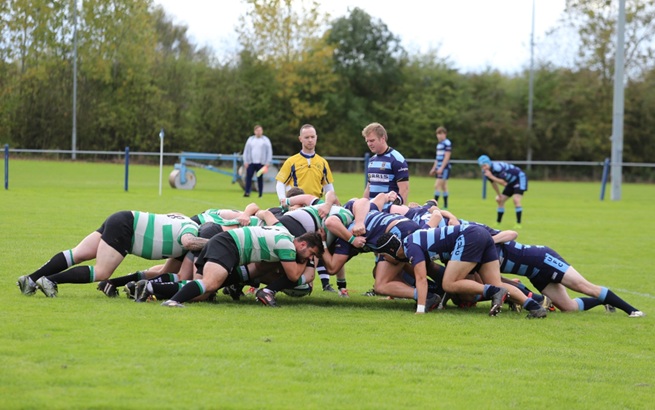
One of the biggest rewards is becoming part of a community, players often develop lifelong friendships, a sense of belonging, shared identity and a support network outside work and family.
Unlike elite sport, grassroots sport can be enjoyed throughout life, many people continue participating into their 50s and 60s in football (walking football and veterans’ leagues) and into their 70s and 80s in bowls.
However perhaps the greatest reward is that grassroots sport provides a sense of purpose and connection. Regular training, match days, shared successes and setbacks, and being part of something bigger than yourself create routines and relationships that contribute significantly to quality of life.
For many people, the club becomes more than a place to play sport – it becomes a second community. That enduring social bond is one of the reasons grassroots clubs continue to play such an important role in towns and villages across the UK, despite the financial and organisational challenges they face.
Finally, for me, for clubs to continue to prosper there needs to be more support from government when it comes to providing sport and recreation funding. We should also see professional sport give more back to the grassroots. Above all, local councils and schools must ensure there is a pathway for children to engage in localised sport.