


School Pitch Crisis?
Lack of facilities mean a worsening obesity situation
The continuing decline in physical activity among young people is something I have touched on before, but another recent report brought the issue sharply back into focus.
A study from the University of York has highlighted the growing impact of obesity on the UK workforce, with researchers finding that a significant number of people are unable to work because their weight is affecting their health and ability to carry out daily activities.
For me, having played and coached sport for many years, the sheer scale of the problem is quite frightening. I played my last rugby match in the mid-1990s, when I was 40, and continued to stay involved in sport by coaching at rugby clubs and in schools.
What I have seen over that time is a dramatic decline in school sport, particularly in secondary schools. And alongside that, I have seen the number of overweight and obese children and adults gradually growing
It is therefore worth asking whether we have, over several decades, removed some of the opportunities for young people to become active in the first place?
During my school days in the mid-1970s, most schools provided two or three PE lessons a week, alongside after-school clubs and regular fixtures against other schools.
Competitive sport was a normal part of school life. Football, rugby, cricket, athletics, hockey and netball were fixtures in the school calendar, while Wednesday afternoons or Saturdays were often given over to inter-school competition.
Just as importantly, schools generally had extensive playing fields.
That has changed considerably.
The decline in school sport was not caused by one single decision, but happened over a number of decades. From the 1980s onwards, there were changes to education policy, curriculum priorities and teachers’ working arrangements, while the pressure on schools to concentrate increasingly on examination subjects reduced the time available for PE and games.
Perhaps most significantly from a grounds perspective, we also saw the sale of school playing fields.
Once those pitches are gone, they are incredibly difficult to replace. And when there are fewer pitches, there are inevitably fewer opportunities for children to play organised sport.
By the 1990s, there were fewer PE hours and fewer competitive fixtures. Many school leagues became smaller, with fewer teachers available to organise teams and matches.
More recently, concerns have continued about the amount of curriculum time devoted to PE, particularly for older pupils facing increasing examination pressures.
This is where I believe the issue becomes particularly relevant to those working in professional sports turf.
Fewer school fixtures mean less demand for school pitches. Less demand can mean less investment. And less investment inevitably makes it harder to maintain good-quality sports surfaces and facilities.
It becomes a cycle.
If young people have fewer opportunities to play sport, they are less likely to develop a lifelong connection with it. That affects grassroots clubs, schools and community facilities – and ultimately the people responsible for maintaining those spaces.
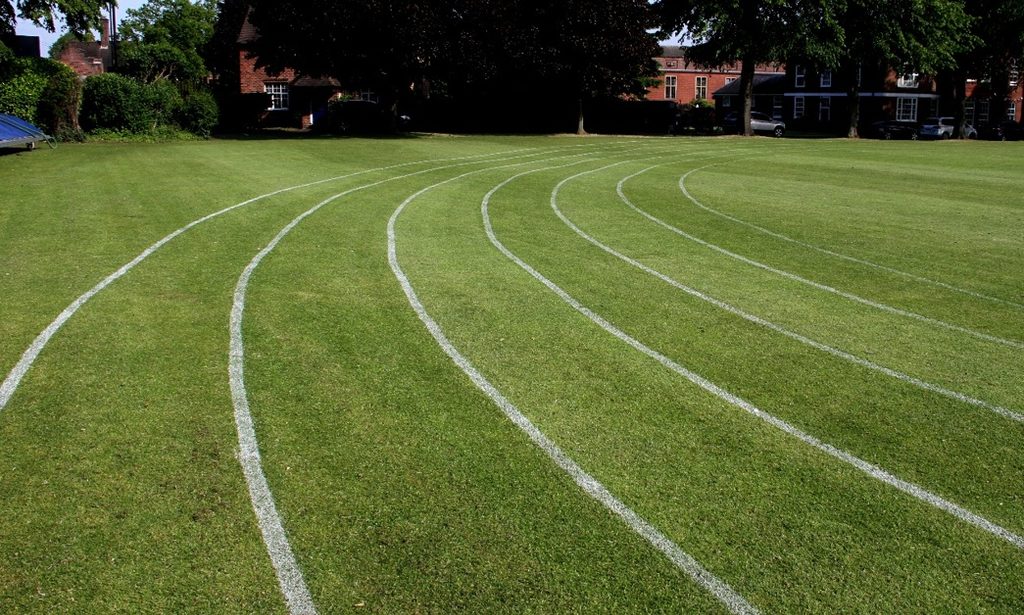
We should also remember that sport does not have to mean elite competition. School pitches and community sports grounds provide somewhere for young people to be active, learn teamwork and develop a relationship with outdoor spaces.
That is why I believe we need to look again at the value we place on school sport and the facilities that support it
I am not suggesting that increasing PE lessons alone will solve the UK’s obesity problem. There are clearly many contributing factors, including diet, sedentary lifestyles and the amount of physical activity children get outside school.
But making high-quality physical activity a guaranteed part of every school day would surely be a positive step.
So too would reviving inter-school sport and ensuring that schools have access to properly maintained pitches and facilities.
And this is where government and sport’s governing bodies have an important role to play. We need continued investment in grassroots sports clubs, community facilities and public green spaces, alongside greater opportunities for young people to participate in competitive sport.
As grounds professionals know better than most, you cannot have sport without somewhere to play it.
We have spent decades watching opportunities disappear. Perhaps it is time to start putting some of them back.






















All good points but I feel there is another factor; comprehensive style education whereby ‘competitiveness’ was taken out of PE and sport.
There couldn’t be any losers, as every participant had to end up with a similar result!
Takes the point out of it and that made the playing fields superfluous.