Struggling To Keep A Grassroots Pitch Alive?
Borehole options to combat dry conditions
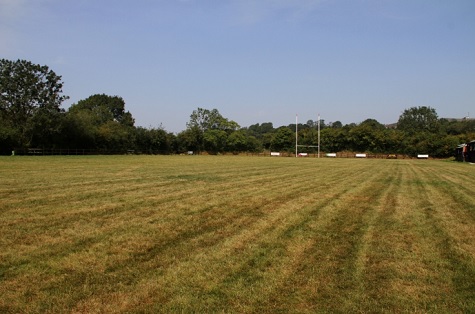
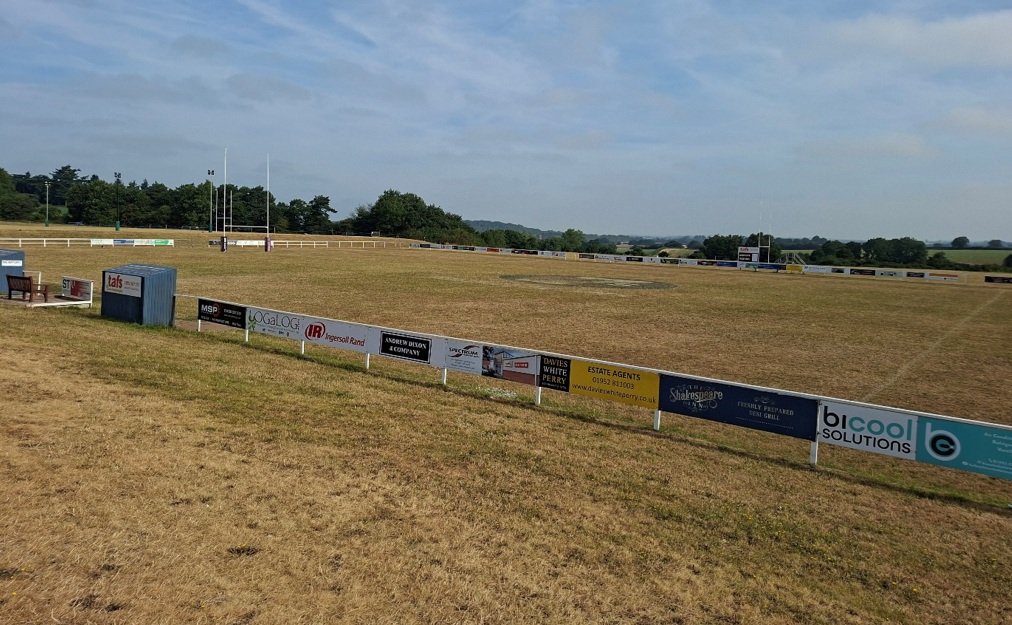
A recent article on the BBC featured the concerns of a rugby friend of mine, Neil Thomas, chairman of Telford RFC, who was talking about the difficulties grass roots sports clubs have been experiencing, dealing with this spell of hot weather. The result of course being that pitches are browning off and becoming hard and virtually unplayable.
The article says that Telford Hornets Rugby Club are one of many who have stated that “the pitches they play on are dying because spending to irrigate would cost them thousands of pounds, money which they do not have.”
Neil told the BBC they have had to learn strategies to keep their pitches in as good condition as possible, so they can continue playing on them.
The piece went to explain that as many sport teams return from their off-season, players are faced with the prospect of playing on hardened pitches, which physiotherapists say increase the chances of soft tissue injuries.
I have spoken to a couple of other local rugby clubs who also have concerns for their pitches. Newport RFC have recently had a rain storage system installed and are currently looking at purchasing some self-travelling sprinklers. They told me they are acutely aware of how dry their pitches are getting, especially as they are sand based.
The club are also considering the cost of a borehole to help provide an alternative source of water for the club.
Likewise, Trevor the groundsman at Stafford RFC, is also concerned about the state of his surfaces. However, they are managing to keep one of their pitches watered via a recent borehole they had installed, that allows up to 20,000 litres of water to be used per day.
If you are considering a borehole for irrigating sports turf, a golf course, football pitch, cricket square or bowls green in the UK, the two key questions are installation cost and the legal limit on abstraction.
Typical borehole installation costs (2026) can vary according to geology, drilling depth and the equipment required.
Installation and typical cost
- Hydrogeological survey – £500–£2,000
- Drilling a 40–100 m borehole – £6,000–£15,000
- Borehole casing, screen and gravel pack – Usually included
- Submersible pump and controls – £1,500–£4,000
- Pressure tank, pipework and electrical installation – £1,500–£5,000
- Water quality testing – £150–£500
Typical total installed cost
- Domestic or small sports club: £10,000–£20,000
- Larger irrigation systems: £20,000–£40,000+, especially if high-capacity pumps, storage tanks or treatment systems are required.
If hard rock drilling or very deep aquifers are encountered, costs can exceed £50,000.
How much water can you take?
There is no fixed national limit on the amount of water a borehole can produce. The limit depends on several factors, the yield of the aquifer beneath your land, the sustainable recharge rate, the presence of nearby rivers, wetlands and other boreholes and the conditions of any abstraction licences.
The Environment Agency assesses these factors before granting a licence.
When do you need a licence? In England:
You can normally abstract up to 20 cubic metres (20,000 litres) per day without an abstraction licence. If you want to take more than 20 m³/day, you will usually need an Environment Agency abstraction licence, and for a new groundwater source you may first need consent to investigate the groundwater resource.
Is 20,000 litres a day enough?
For comparison: One football pitch in summer may need 20,000–30,000 litres for a single deep irrigation. A typical golf green typically requires between 3,000–8,000 litres depending on weather and soil. And a cricket square might use 2,000–5,000 litres during dry periods.
Many sports clubs therefore exceed the 20 m³/day threshold during prolonged hot weather and require a licensed abstraction if relying solely on a borehole.
For clubs paying mains water charges, a borehole can provide significant long-term savings. Many sports clubs recover the investment over 5–10 years, particularly where annual irrigation demand exceeds 1–2 million litres. However, success depends on the local geology and the available groundwater.
For me it is now time grassroots clubs start gearing themselves to be better prepared for the ongoing dry weather events. It seems that our climate is generally getting warmer, with rain this summer being scarce.
For sports turf managers, farmers and greenkeepers, the outlook for some rain is now more encouraging, but not necessarily a drought-breaker. After such a prolonged dry spell, many soils have become hydrophobic, so brief heavy downpours may produce more runoff than infiltration.
What is really needed is 12–24 hours of steady, soaking rain, rather than short thunderstorms.