Integrated Weed Management: What It Really Means
OPINION: by John Moverley
This is the second of three short opinion pieces on matters concerning the amenity sector and I am grateful to TurfPro for their publication. This one will address the area of integrated management and the final one, the recruitment and retention of staff. I hope that they create some reaction.
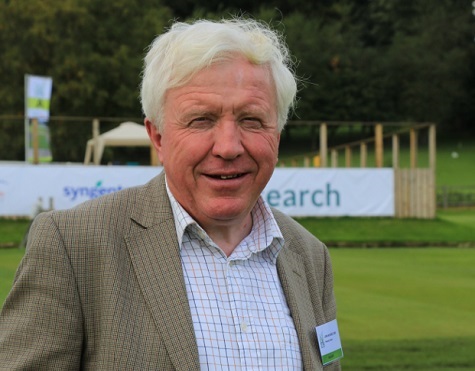
John Moverley writes . . .
I have been involved with the amenity sector for many years. I am passionate about the sector and the essential work it does in keeping the UK moving and providing safe and heathy amenity and sports spaces in a sustainable manner and fit for purpose. In my time I have seen major changes in the approach to maintaining amenity areas and continual increases in the professionalism and standards of those operating.
Of late there has been much emphasis on taking an integrated approach to weed management, quite right, but as I speak to individuals and bodies in the sector, I still find misunderstandings in the term. Too often it is used in the context of finding alternatives to herbicides – not only wrong but far too restricting in the meaning of the term. Integrated management refers to the total approach to managing amenity spaces at all stages. In fact, good integrated management is best sustainable practice. Taking an integrated approach and developing an integrated weed management plan, an IWM plan, requires an examination and review of all stages of the process. There are many excellent sources of advice and training now available but for the purposes of this short piece, I will break it down into the a few main parts.
Taking an integrated approach in any given situation involves careful consideration of all factors that we can influence to avoid build-up of weeds, pests and diseases, and hence reduce the need for their control or management. It starts with consideration of how such challenges can be prevented and tolerated. This includes consideration of the following: establishment and design, managing to minimise weed growth, controlling weeds, review and modification.
The whole process starts with the design and establishment phase. Often, we are dealing with spaces already established but modifications to planting, variety choice and other factors can make a real impact on future maintenance needs, whether soft or hard surfaces. Recently in an urban area, I saw kerbing being laid and the same mistakes being made in creating straight edges or detritus traps where a sweeper cannot reach. The next stage is managing the spaces to minimise weed growth. On hard surfaces, this involves for example, effective and co-ordinated sweeping to reduce build-up of detritus, creating weed growth. For soft areas, it involves good cultural practices.
Of course, weeds will inevitably need to be controlled but any IWM plan needs to consider how assessment is to be undertaken for specific areas to determine the level of control needed. How much weed growth can be tolerated for individual areas? When it comes to control, an integrated approach is about choosing the appropriate technique or combination of techniques to achieve the result needed. There has been substantial growth and improvement of techniques available and the approach taken will relate to individual circumstances and conditions. This is not about herbicides versus the rest. Often herbicides, applied correctly, to optimise use and impact can provide the most effective, efficient and economic approach. However, it is important to consider specific areas and other techniques such as electric, hot water etc. as they can and do have a place and the technologies are improving rapidly.
The UK Amenity Forum has a set of excellent guides on approaches to be taken to manage weeds. The most important factor is to undertake such works at the best professional standards. Finally in implementing integrated weed management plans is the need to review and modify during each season and certainly at the end of each. Techniques, products etc, continue to evolve at speed as does external requirements. Integrated weed management is best practice to create sustainable spaces and surfaces fit for purpose. It is a total approach not an alternative one.