When Does A Dry Pitch Become An Unsafe Pitch?
Editor Laurence Gale says clubs are wondering whether they can play matches while surfaces are still in these conditions?
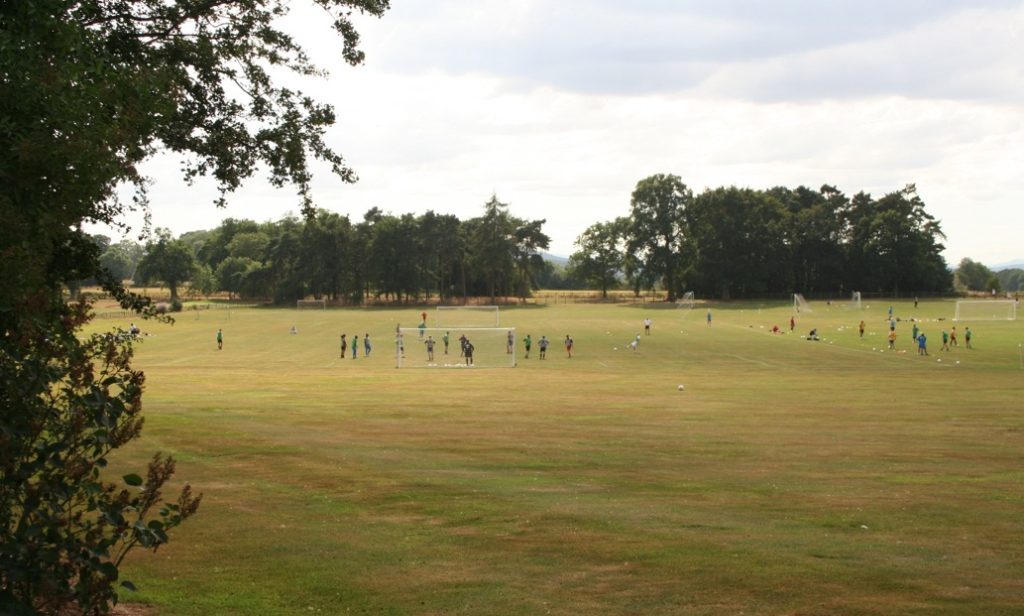
Following on from my recent drought-related article published on the 20th July where I spoke about the water restrictions in place, four weeks on and we still have not had any significant rainfall – as confirmed by Mark Hunt’s useful weather blog.
This hot, dry weather we have all experienced this summer has left many turf professionals and volunteers wondering when will see some significant rainfall to help rejuvenate dried-out pitches.
Many winter games, such as football and rugby pitches at grass roots levels, are completely dried out with no growth and bone hard. Clubs are wondering whether it will be safe enough to play matches and practise games while they are still in this condition?
Golf courses and bowling greens are also suffering.
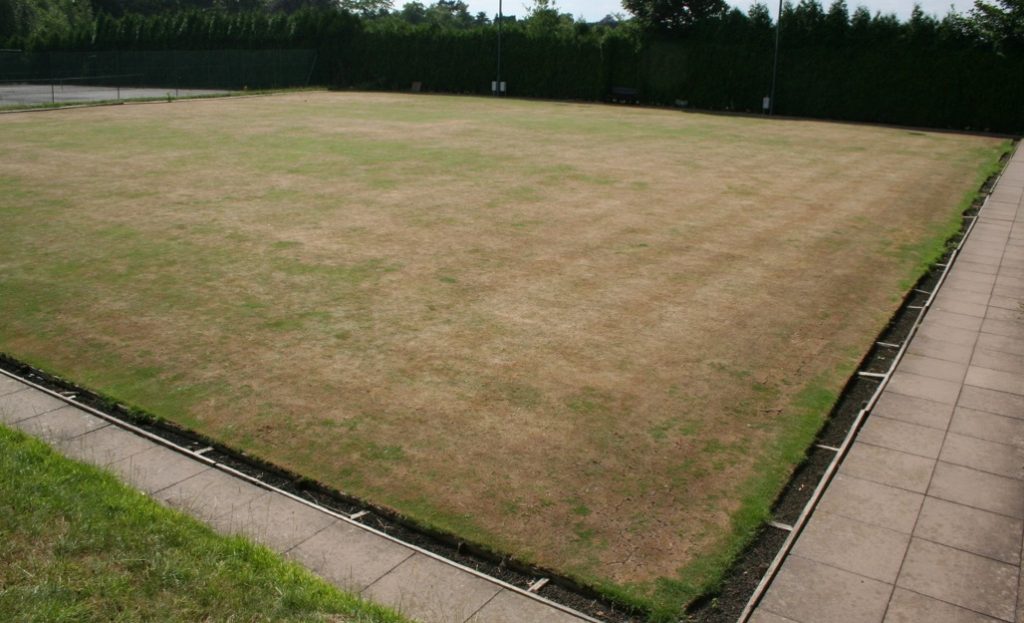
For me as an ex-rugby player, would I be keen to train or play on such bone hard pitches? No, not really. There is more chance of injuring yourself and it’s a fact that by running around you are causing damage to the playing surface.
I personally believe there is a strong case for postponing rugby and football on severely baked, concrete-hard natural-grass pitches, particularly where the surface has become uneven, cracked or has very little shock absorption.
A healthy natural-grass sports pitch normally provides some surface compliance: the soil and grass cushions impact, allows studs to penetrate, and dissipates some of the forces generated when players run, turn, fall and tackle.
England Rugby’s current drought guidance recognises precisely this problem – with some more help on Managing Rugby Pitches In Drought Conditions also available.
Another recent development, as reported by BBC Sport, is that The Rugby Football Union has delayed the start of the community rugby season because of concerns about player welfare and pitch conditions affecting much of England.
According to the article “many grounds are now deemed unsuitable for safe full-contact activity and no lengthy spells of rain are currently forecast before the scheduled start of the English community season on Saturday, 5 September.”
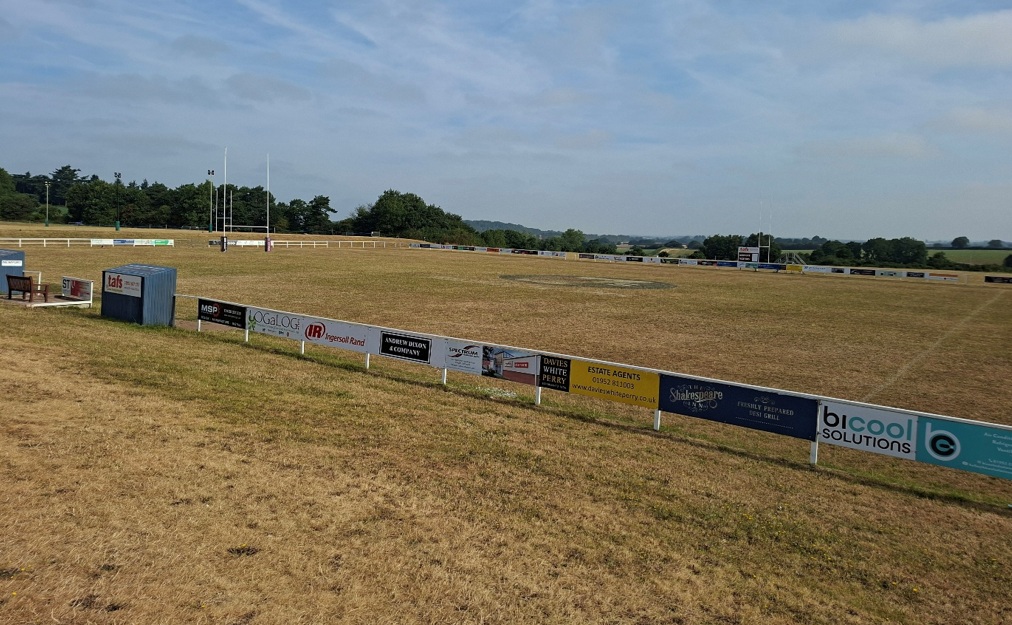
It goes on to say that after gathering feedback from representatives across different regions and discussing the options, the RFU has pushed the start back to the week commencing Monday, 21 September.
Football also presents risks, particularly from slips, trips, stud penetration, sudden changes of direction and falls. However the amount of deliberate ground contact is generally much lower.
I would advocate if a natural-grass rugby or football pitch has genuinely become concrete-hard, cracked and offering virtually no cushioning, the fixture should be postponed or moved to a suitable alternative surface. A brown pitch isn’t necessarily unsafe; a severely hardened pitch is a different matter.
Given the current UK drought conditions, I think this is going to become a much bigger issue for grassroots sport, and there is a strong argument for the GMA, FA and England Rugby to establish a simple national pitch hardness/fitness-for-play protocol that clubs can use before allowing matches to proceed. Here are the GMA’s current Top Tips for Dealing with Drought.
As for the condition of the pitch, those clubs who could irrigate (and that won’t be many), they well may be fit for purpose, however, the majority of grassroots clubs’ pitches will be burnt off, brown and bone hard.
It will then be down to the clubs and referees to decide whether they should play the match in these conditions?
You must also consider the longer term damage that will be done to the pitch if they are played on. With the surface so hard, dry and dusty the grass plant will have gone into a dormant state, just leaving the crown of the plant in situ awaiting some moisture to allow it to grow again. However, by playing on the pitch in these arid, dry conditions this crown is prone to damage, effectively being severed as there is no stability in the playing surface due to the lack of moisture in the soil profile.
It will be interesting to see the extent of loss of grass cover once we get a decent amount of rain to stimulate some regrowth.
Also, we must consider that this extreme weather front could continue well into October and with more possible drought restrictions being put into place?