Silicon Trial Examines Potential Role
In elite turf nutrition
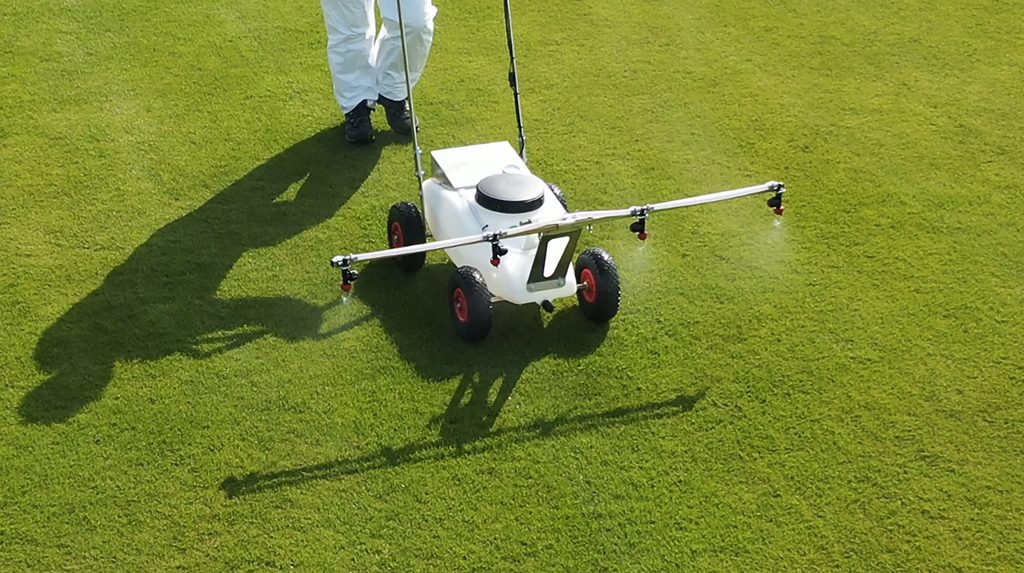
The potential role of plant-available silicon in turf nutrition has been highlighted following trial work examining its effect on nutrient uptake.
Agronomist Kate Finlayson says silicon is increasingly being considered alongside established nutrients such as nitrogen, potassium, calcium, magnesium and iron, although she stresses that it should complement rather than replace existing fertiliser programmes.
“Silicon is not always discussed in the same way as nitrogen, potassium, calcium, magnesium or iron, but I think that is changing,” she says.
According to Kate, the effectiveness of a nutrition programme depends not only on the nutrients applied but also on the plant’s ability to access and utilise them. Factors including rooting, environmental stress, light levels and recovery periods can all influence nutrient uptake and plant performance.
Plant-available silicon has been associated with stronger cell walls and increased leaf rigidity, potentially helping turf tolerate wear and environmental stresses. These characteristics may be particularly relevant to sports surfaces subjected to regular mowing, play and short recovery periods.
Trial work carried out with the Sports Turf Research Institute (STRI), using Orion Future Technologies’ plant-available silicon product Fossil, reported increased uptake of several nutrients, including silicon, calcium, iron and magnesium.

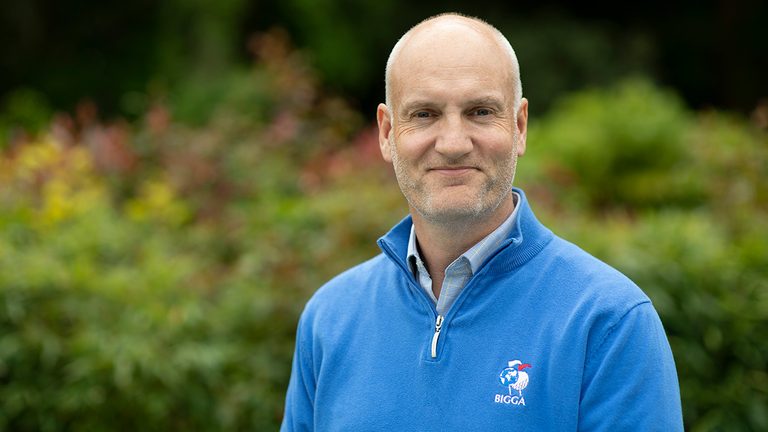
Agronomist, Kate Finlayson
Kate says the findings are relevant because these nutrients each have established roles in turf development and performance. Calcium is important for new growth, iron contributes to chlorophyll function and magnesium is central to photosynthesis, while silicon is associated with plant structure.
She suggests that any use of silicon should form part of a wider, targeted nutrition strategy rather than being viewed as a standalone input.
“The most effective approach is targeted and measurable. Using tissue analysis, visual assessment, recovery observations and surface performance data will help understand the response,” she says.
The potential benefits of silicon are likely to be of particular interest in environments where turf faces high wear, restricted light or limited recovery windows, although further assessment will be needed to establish how it can best be incorporated into individual maintenance programmes.