Where Are The Experienced Parks Staff?
Why have local authorities lost their horticultural skills?
As an ex-parks manager and current Green Flag judge I feel I am qualified and experienced enough to recognise poor working standards when I see them.
Therefore it is such a shame to see the constant and continuing decline of basic maintenance regimes and horticultural standards in our parks and public open spaces – whilst recognising that in recent years local authorities have seen a dramatic cut in maintenance budgets.
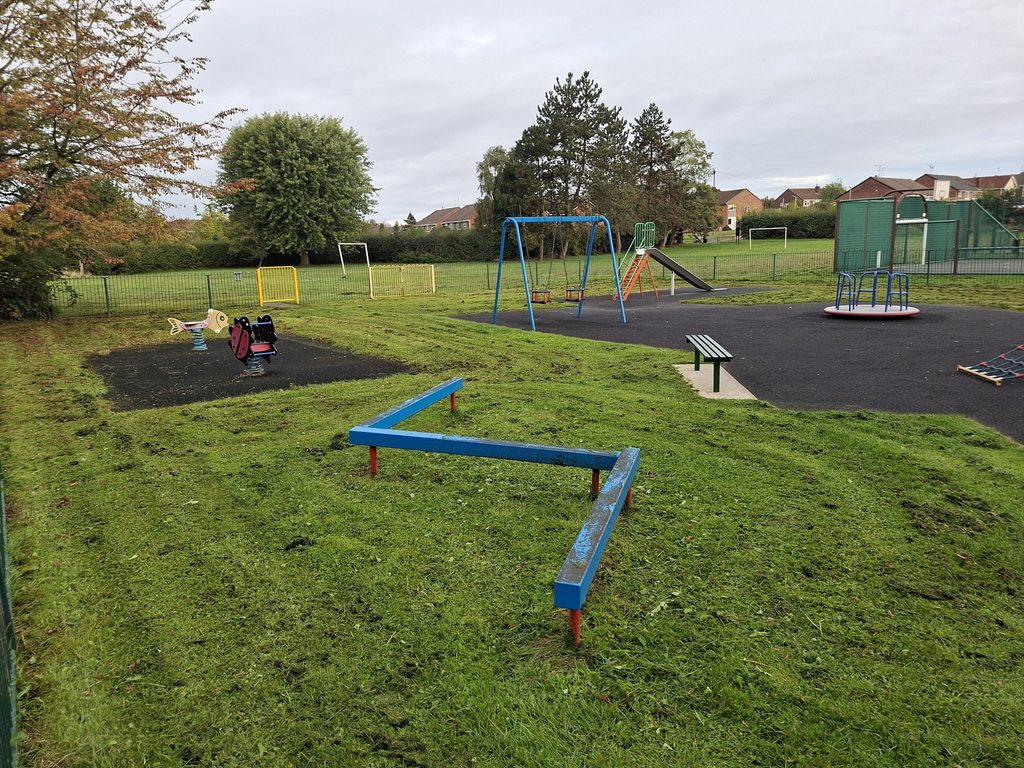
However, a recent visit to one of my local green areas enabled me to see how poor these parks services have become. While I understand that the frequency of mowing regimes may have been reduced, there is really no excuse for poor workmanship and a lack of pride in what you do as an operative.
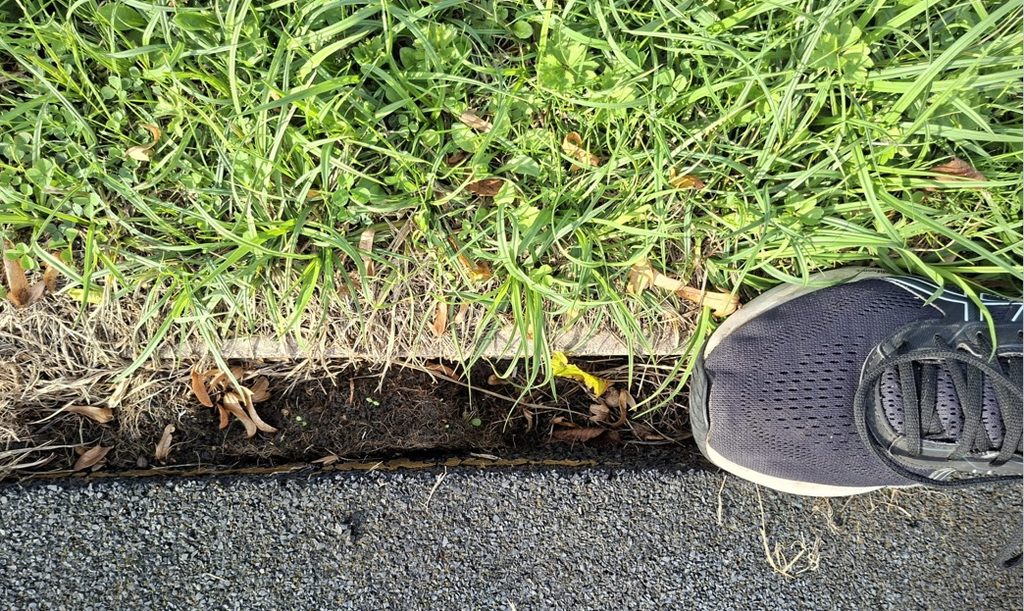
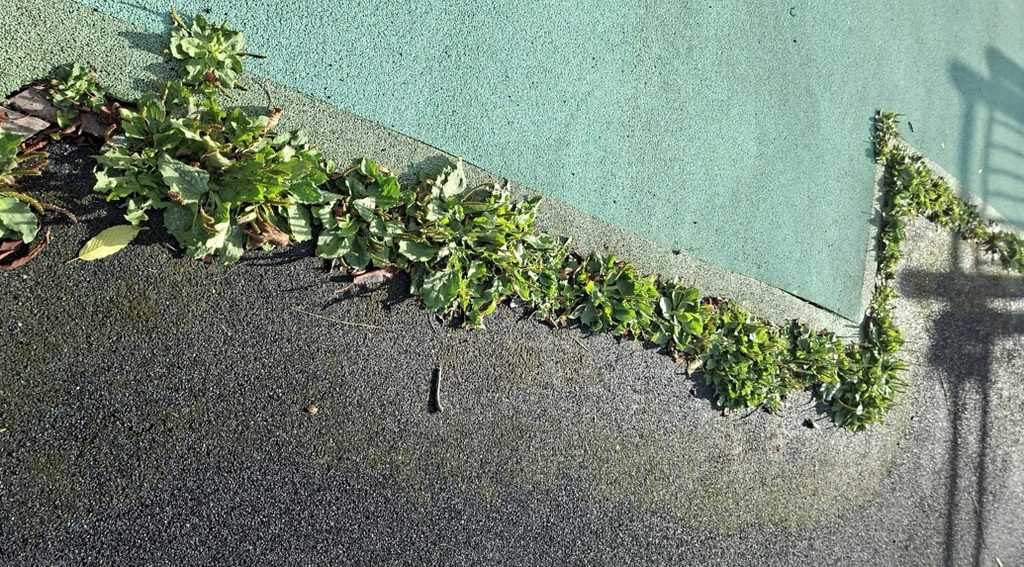
I feel there is no excuse for the weed growth seen in the play area and the lack of edging / strimming done to the grass edges. I witnessed rubber safety surfaces shrinking away from concrete edgings thus leaving a substantial trip hazards, alongside heavy moss growth on the safety surfaces. In general, a poorly maintained play area.
For me, the worry is we are losing the skill sets that were once vital to become a parks professional.
In my view, the loss of horticultural expertise within many UK local authorities is one of the most important – and least appreciated – consequences of the way parks and green-space services have been managed over the last 30–40 years.
It is not simply that councils have fewer gardeners. They have lost a considerable amount of institutional knowledge, practical horticultural judgement and career progression.
The major turning point was the prolonged financial pressures on local governments from the late 2000s onwards. Councils reduced establishment numbers, froze vacancies, merged departments and removed posts that were not regarded as essential.
The LGA has reported that reductions in local-government expenditure were accompanied by substantial reductions in employment, with austerity producing redundancies and service reductions across councils.
Parks were particularly vulnerable because horticultural maintenance was often viewed as a discretionary rather than statutory service.
The introduction of competitive tendering and, subsequently, widespread outsourcing fundamentally changed many parks departments.
Instead of a council employing gardeners, chargehands, horticultural supervisors, arboriculturists, parks managers, nursery staff, apprentices and machinery specialists the authority increasingly became a client managing a grounds-maintenance contract. The council retains responsibility for specifying and monitoring the contract, while much of the practical horticultural knowledge moves to the contractor.
This is not necessarily a bad thing. A good specialist contractor can provide excellent horticulture standards if policed / managed well. The problem occurs when the council no longer has sufficient horticultural expertise to specify, supervise and challenge the contractor effectively.
When that person retired, the council lost far more than an employee – it lost a substantial body of practical knowledge.
The current Government research into successful parks services specifically identifies an ageing workforce and difficulty recruiting horticultural staff as major problems.
Our once traditional horticultural career ladder has all but disappeared along with the quality training and qualifications that once existed in many horticultural and sports turf colleges / institutions.
Today, many authorities have far fewer operational horticultural posts. That creates a serious problem. Where does the next generation of parks managers come from?
The Government’s recent research found that lack of career progression is a significant problem, particularly for gardeners and horticulturally skilled staff. Councils can train people but may not have permanent posts available when apprentices finish.
During my last twenty plus years as a Green Flag judge, there has been an eroding of many horticultural tasks that were once the mainstay of parks staff. For example, a lot of local authorities have stopped growing and propagating their own bedding plant materials and many councils have reduced or even stopped providing spring and summer bedding displays.
A parks manager today not only has the day-to-day maintenance work to manage, they are now given a lot more responsibilities overseeing community engagement, sourcing funding grants, writing management plans, health and safety procedures, procurement of machinery and products and even event management. The list is endless. Also, their areas of work have become much larger.
The Government’s recent parks research makes exactly this point: the skill set required of parks managers has expanded dramatically over the last 30-40 years.
The danger is that horticulture becomes a secondary skill rather than the foundation of the service.
Many councils have implemented and shifted towards a high-volume and machine-based work. Mechanisation isn’t inherently bad – it improves productivity – but it can reduce the opportunities for people to develop traditional horticultural skills.
A young person considering horticulture can often find better-paid opportunities elsewhere in landscaping, construction, arboriculture, facilities management or private-sector grounds management.
The Government’s parks research identifies low pay, limited career progression and lack of professional recognition as contributors to the skills shortage.
Consequently, councils are struggling to replace experienced people when they retire.
We have increasingly treated parks maintenance as a grounds-maintenance operation rather than a horticultural profession.
The renewed recognition of parks following COVID, biodiversity, climate adaptation, public health and the importance of green infrastructure give councils an opportunity to rebuild the profession.
The Government’s recent work on successful parks services explicitly identifies the need to address the skills shortage and rebuild horticultural and arboricultural capability.
I would argue that councils should consider rebuilding a modern parks horticultural career structure, with proper apprenticeships, mentoring and professional development.
And importantly, experienced retired parks staff could be brought back as mentors and trainers. They possess something that cannot be learned from a procurement specification or online course.
You can mechanise horticulture. You can outsource horticulture. You can write specifications for horticulture. But you cannot manufacture decades of practical experience overnight. And once that knowledge has left a local authority, rebuilding it can take a generation.
So, for me, it is something I have been writing about for several years. Is it not time our government recognised the real value of our parks and public open spaces and what they provide for the community and make them a statutory service?