Natural Or Artificial Pitches?
The debates rages on
A recent national headline caught my eye, regarding injuries sustained by rugby players when playing on artificial pitches. Welsh rugby international, Louis Rees Zammit, has called for artificial rugby pitches to be banned after revealing the gruesome skin burns he sustained while playing on Saracens’ surface recently, according to this Press Association report.
He was involved for Bristol as they lost 30-7 at StoneX Stadium, which features an artificial surface.
The Welsh International posted an image on social media showing off the unpleasant damage to his leg, alongside an urgent message demanding action regarding the use of synthetic turf in professional rugby.
For me as an ex-rugby player, coach and professional groundsman, I know only too well the problems artificial pitches can pose. The impact of these surfaces will be governed by their type, age and maintenance level. I believe artificial pitches come at a high cost.
For a UK sports club, school, college or local authority planning a modern 3G or 4G artificial sports pitch with floodlighting, I would budget in the region of £1 million to £1.8 million for a full-size facility, depending on ground conditions, drainage, specification and the quality of the lighting system. Then there is the specialist equipment to maintain and sanitise it on a regular basis.
For a UK full-size 3G artificial sports pitch, replacing the carpet after around 10 years of use could cost approximately £250,000–£450,000 in 2026, depending on the surface specification, the amount of infill that can be reused, and whether the existing shockpad and stone base remain serviceable.
The important distinction is that carpet replacement is considerably cheaper than constructing an entirely new artificial pitch, provided the underlying infrastructure is still in good condition.
Then there is the cost of specialist recycling of a full-size 3G pitch in the region of between £8,000–£25,000.
Costs vary substantially according to the disposal route and the waste’s weight. A low removal price does not necessarily mean the carpet has been recycled responsibly.
A worn-out 3G carpet is a complex mixture of materials. A specialist recycler may need to:
- Lift, roll and transport the carpet.
- Separate the synthetic grass fibres from the backing.
- Remove and recover sand and rubber crumb infill where practicable.
- Process the recovered plastics and other materials for reuse.
- Document the waste’s journey and its final destination.
The recovery process can reduce landfill waste and reclaim materials, but not every component is readily recyclable. Sport England identifies end-of-life recycling as an important issue for artificial sports facilities.
And after all this, there is for me the playability of the pitch. Quite often the ball bounce can be irregularly high. Whilst the most concerning is the injuries that are being sustained on these playing surfaces in terms of friction burns as pointed out by Louis Rees Zammitt.
Professional footballers are accustomed to playing on high-quality natural or hybrid grass at stadiums. Moving to a fully synthetic surface can require adjustments in technique, footwear and movement.
I can speak from my own experiences that professional footballers I have come into contact with detest playing or training on artificial pitches.
As for professional rugby players, the debate on the merits of playing on artificial pitches is generally down to the fact what type of pitch does the club have? I would suspect that most players would rather play on a well-maintained natural grass pitch. Maily due to the reasons Louis Rees Zammit has mentioned.
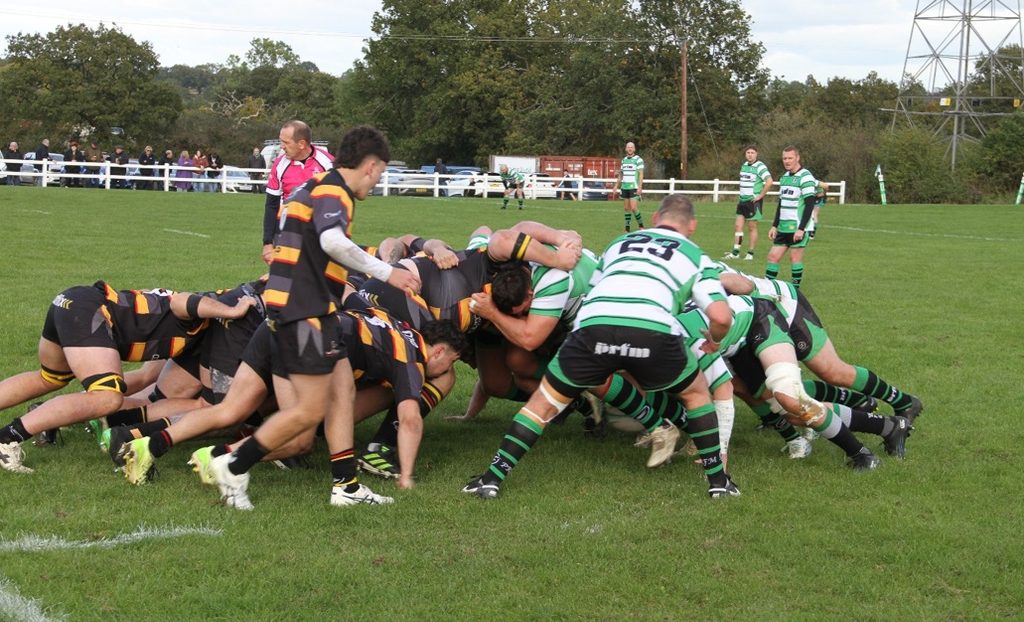
For me rugby presents a different set of challenges from football because players make repeated tackles, scrums, dives, slides and ground contacts. The surface must cope not only with running and changes of direction but also with considerable body-to-ground friction.
A well-maintained artificial pitch can provide excellent playing conditions. Nevertheless, a surface that remains playable in poor weather is not automatically the surface that players prefer or find most comfortable.
The recent Louis Rees-Zammit incident also illustrates why pitch certification alone cannot settle every player-welfare question: a pitch may meet technical performance standards while still presenting practical concerns about skin abrasion during contact.
For professional clubs, the decision should not be based solely on maintenance costs, durability or the number of playing hours available.
Natural turf has its own problems of course: compaction, divoting, poor drainage, excessive hardness in drought and deterioration during prolonged wet weather. A badly maintained grass pitch may be inferior to a properly designed artificial pitch.
However, I would make three distinctions:
- Elite football: High-quality natural or hybrid grass remains the preferred surface for many players.
- Elite rugby: Artificial pitches offer year-round reliability, but friction burns and player comfort deserve particular attention because of the physical nature of the sport.
- Grassroots sport: Artificial pitches can be extremely valuable where natural pitches cannot cope with demand, provided the surface is appropriately designed, maintained and tested.
My view is that clubs should systematically collect player feedback alongside objective measurements of hardness, traction, rotational resistance, surface temperature and abrasion. Decisions should be informed by evidence rather than by the assumption that either grass or artificial turf is always superior.
The key question is not simply whether professional players can play on artificial pitches. It is whether they prefer them, how the surfaces affect their performance and recovery, and whether the benefits justify any additional player-welfare concerns.
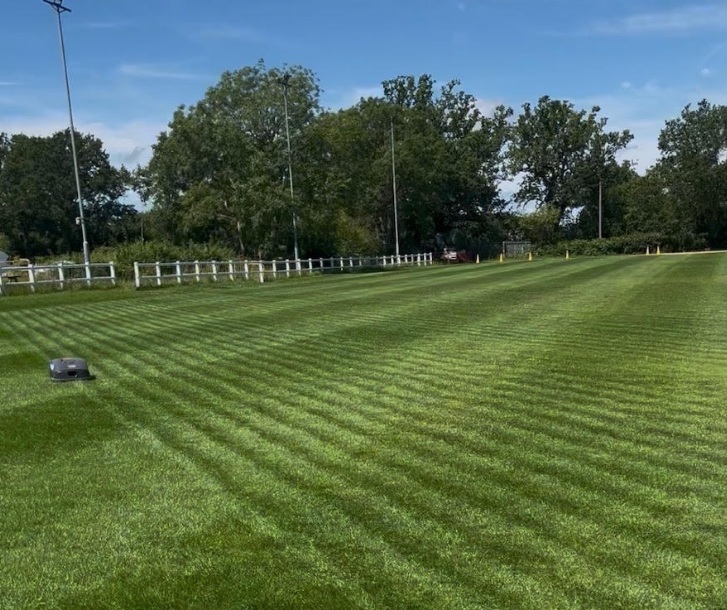
Personally, a modern-day, natural grass pitch maintained well would be my preferred choice to play on. They are naturally more forgiving than an artificial one.
I also do find that many artificial pitches are not being maintained properly, in terms of being brushed, cleaned or sanitised regularly. They also will need replacing after several years, requiring a new pile carpet that will be expensive.