Fixture Demand And Pitch Pressures
Game schedules at saturation point
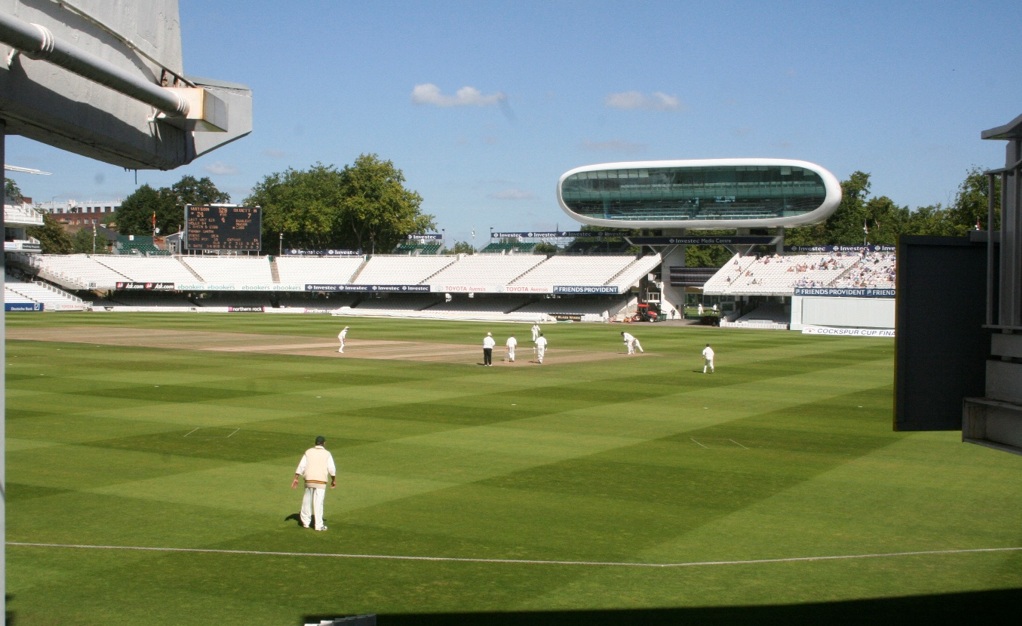
The complexities of maintaining the cricket pitches at Lord’s was recently well explained in a Telegraph news article by Will Macpherson, deputy cricket correspondent, in his piece Radical plan to end the Lord’s pitch problem . The article explains the reasons why the MCC have decided on a new plan to improve the pitches at Lord’s following some recent concerns over their quality and performance.
Having personally known Karl McDermott, the Lord’s head groundsman, for many years, the fault of the pitches was never going to be about the work of the ground staff. It simply was about the fact that natural soils deteriorate over time and a new block of clay loam is required in any of the tired and worn-out pitches.
This, as mentioned in the article, requires the digging out to a depth of 300mm, the old soil replacing with 100mm of gravel and then adding a further 200mm of new clay loam. It will then take up to three years before it can be played on. The article also mentions the introduction of drop-in cricket wickets, where metal trays 200mm deep are filled with loam and set aside in the nursey part of the ground. They will remain there while being prepared for play, and when required will be transported into the main ground ready to be prepped for matches.
Having spoken to numerous county groundsman over recent years, the sheer demand for more fixtures and games in any one season is now at saturation point.
Preparing cricket pitches to a given standard requires a set period, usually between 10-14 days and is often dictated by the weather and the time taken to cut, roll and water and dry out the pitch for match days. However, with the advent of the ever-increasing fixtures lists and demands of training schedules, the window of work often gets disrupted or reduced, which in turn may have an effect on the performance of any natural playing surface.
Prolonged rain, high humidity, heavy dew, cool spells and sudden heatwaves can all disrupt preparation. Wet clay is difficult to consolidate properly, whist hot, dry weather can cause rapid moisture loss, shrinkage and cracking.
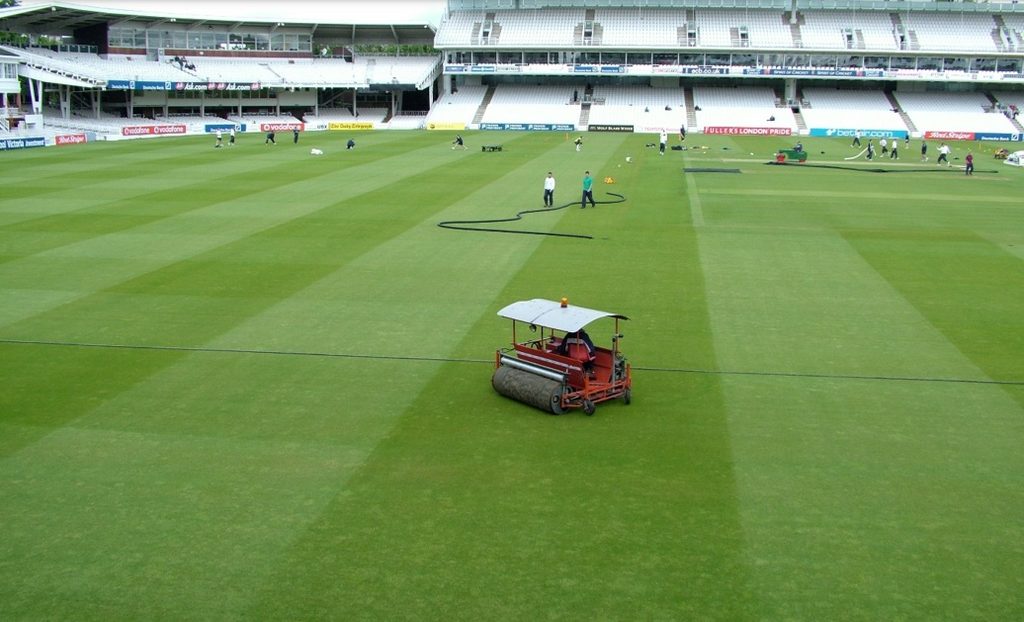
The turf professional must decide whether to roll, water, cover, uncover or allow further drying. Get the timing wrong and the wicket may become too soft, too hard, excessively dry or uneven in moisture content.
A head county cricket grounds person has one of the most demanding specialist roles in professional sports turf management. Preparing and repairing wickets during a packed county cricket season requires a combination of scientific knowledge, practical skill, experience, sound judgement and the ability to make difficult decisions under pressure.
Unlike many other sports surfaces, a cricket pitch must provide a carefully controlled balance of pace, bounce, carry, grip and consistency. The turf professional must manage a living grass surface and a clay-based soil profile while working around unpredictable British weather, intensive fixture schedules, player expectations and limited recovery time.
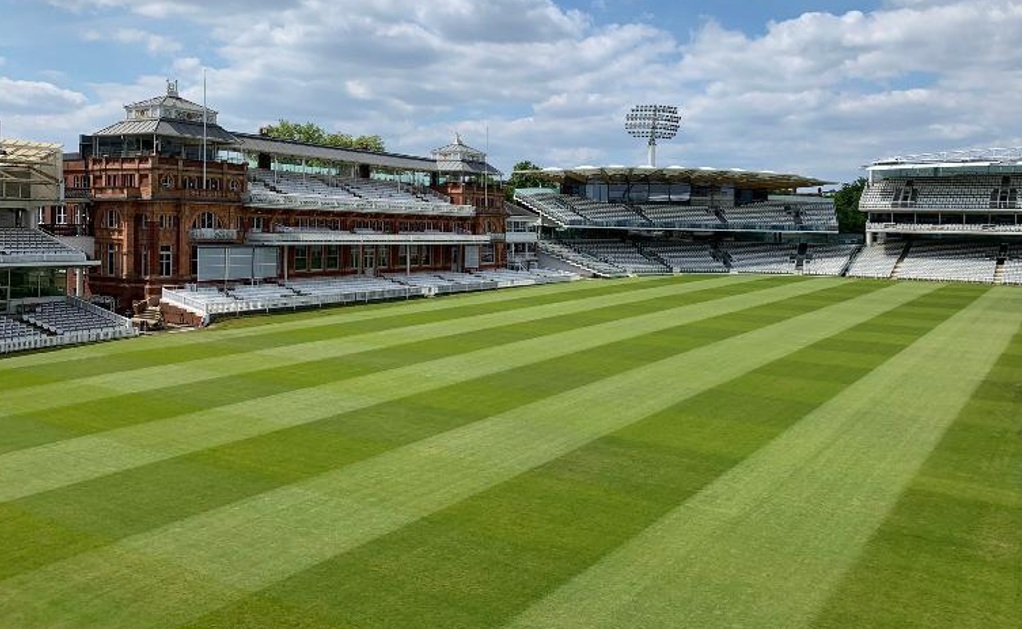
The central problem is that a cricket wicket cannot always be repaired or prepared properly in the time available between matches. Trying to do so can compromise both playing quality and the groundsman’s professional reputation.
The practitioner must often reconcile competing demands:
- Coaches may want a surface that suits their team’s strengths.
- Batters generally value consistent bounce and good pace.
- Fast bowlers want carry, seam movement and opportunities to exploit conditions.
- Spinners need a surface that offers grip and turn when appropriate.
- Club management must protect the quality and reputation of the venue
The pitch’s steward cannot simply produce a wicket to suit one side. The challenge is to deliver a fair, consistent and appropriately competitive surface within the applicable playing conditions and regulations.
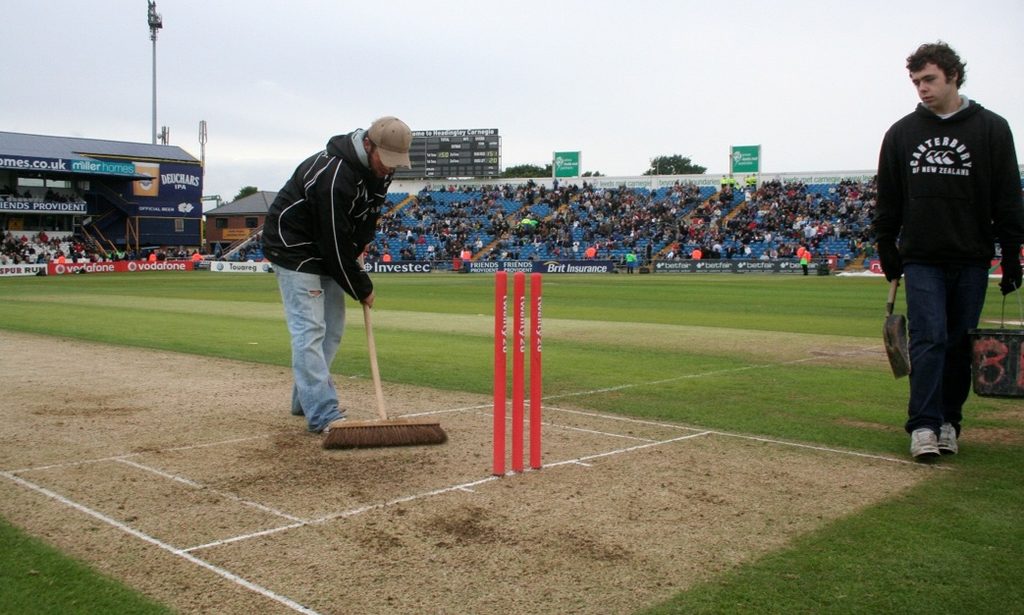
Pitch assessment is a major professional risk. Under the ECB’s 2026 Pitch Regulations, county pitches are subject to formal assessment, and certain breaches or substandard ratings can lead to regulatory investigation and disciplinary consequences. Preparation information can include moisture and hardness readings, grass-cover uniformity, cutting height, colour, rolling and weather conditions.
The danger is that a groundsman can make sensible decisions in difficult conditions and still produce a surface that does not perform as intended. Uneven bounce, excessive movement, insufficient carry or an unexpectedly lifeless pitch can all attract scrutiny.
Let’s hope that the ECB and all cricket clubs start to recognise the issues facing professional cricket grounds staff. Especially with the constant demand for more fixtures being placed on them during an ever busier playing season.