An Essential Benefit For Local Communities
Why Green Flag status is so important for our parks
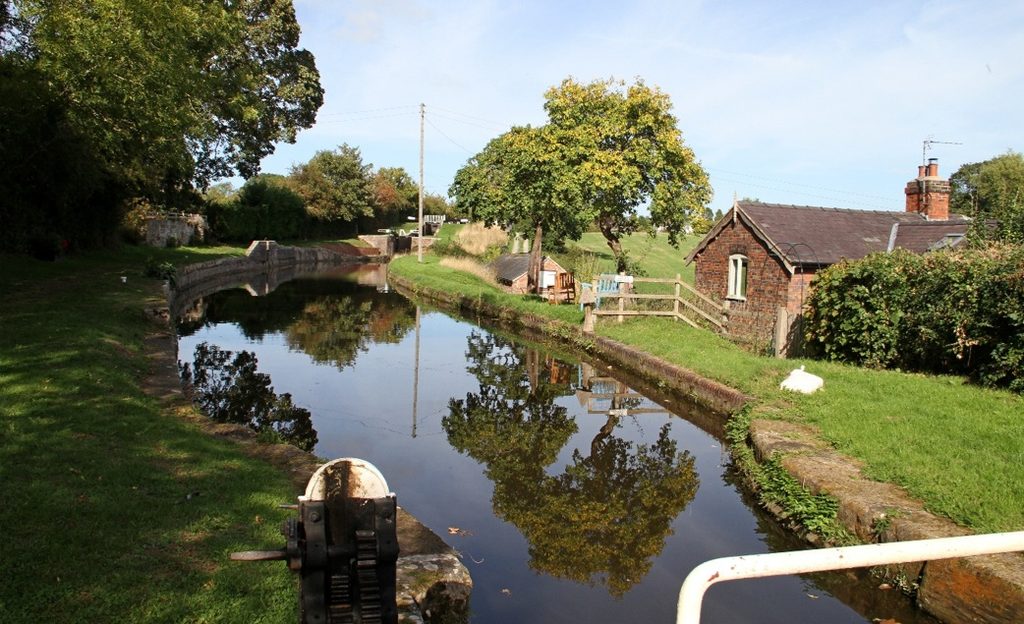
Last week I was busy undertaking some mystery shops for Green Flag Awards, both in Staffordshire and along the Wales / England borders of Powys and North Shropshire.
As a Green Flag judge, we undertake a few mystery shop visits after the initial rounds of Green Fag judging that starts in May.
The Green Flag Award is a non-profit international accreditation programme that recognises and rewards well managed parks and green spaces. Originating in 1996 – today it flies above more than 2,000 places in over 15 countries around the world
I find it rewarding going out to visit these unique land assets that provide the local communities with an essential benefit that supports public health, social wellbeing, environmental sustainability, local economies and the quality of everyday life
For many people, particularly children, older residents, and households without private gardens, these spaces provide their most accessible opportunity to enjoy nature, exercise, meet other people and take part in community activities.
Their value should therefore be measured not simply by how much they cost to maintain, but by the benefits they provide to the people who use them and the wider community.
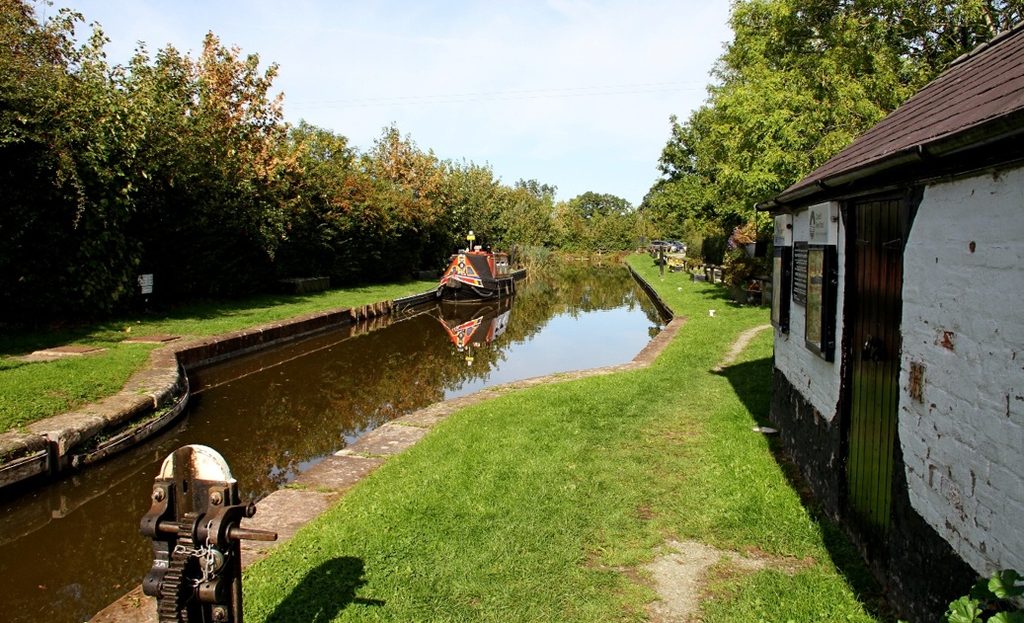
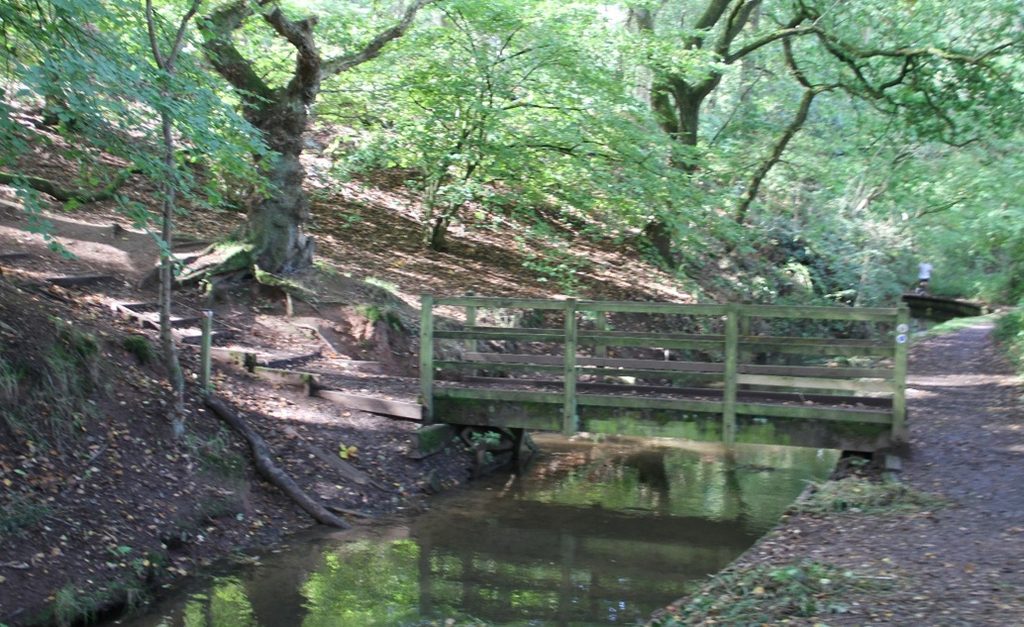
One of the sites was a canal on the Shropshire / Welsh borders run by the Canal and Rivers Trust, while the other was a country park in The Staffordshire moorlands area.
Parks and open spaces are particularly important for the next generation. They offer experiences that are difficult to replace with indoor activities or screen-based entertainment.
Good public spaces also help families who do not have private gardens. I believe that in densely populated housing areas, a nearby park can effectively extend the living space available to a household.
I also strongly believe that local parks and public open spaces should be regarded as essential infrastructure alongside roads, schools, libraries, community facilities and other public services. Their contribution is simultaneously social, environmental, recreational, economic and health-related.
The central challenge for local authorities is to recognise that the value of a park cannot be measured solely by the cost of maintaining it. It must also be assessed by what the space delivers for residents, the environment and future generations.
For turf professionals, this creates an important responsibility: to maintain safe, attractive and functional spaces while adapting management practices related to biodiversity, climate resilience and changing community needs.
I personally think it is important that more local authorities and landowners should consider the Green Flag Award because it provides something that is increasingly important in parks management: an independent framework for demonstrating that public green spaces are being properly planned, maintained, improved and managed for the communities that use them.
In 2026, the scheme reached its 30th anniversary, with 2,391 UK parks and green spaces receiving the award. Keep Britain Tidy administers the scheme in the UK under a five-year arrangement with the UK Government.
The biggest benefit is that Green Flag provides an external assessment rather than leaving a council to decide for itself whether its parks are performing well.
Judges assess both the management plan and the actual site. The assessment covers eight areas including:
- welcoming the public
- accessibility
- health, safety and security
- maintenance and cleanliness
- environmental management
- biodiversity, landscape and heritage
- community involvement
- marketing and communication
- overall management and achievement.
That can give elected members and senior council managers considerably greater confidence about the standard of their parks service.
Given the financial pressures facing UK local authorities, I think the most important use of Green Flag accreditation would be to link the condition of parks with the benefits they provide to their residents.