A Boom In Robotics
Aimed at the pro sector
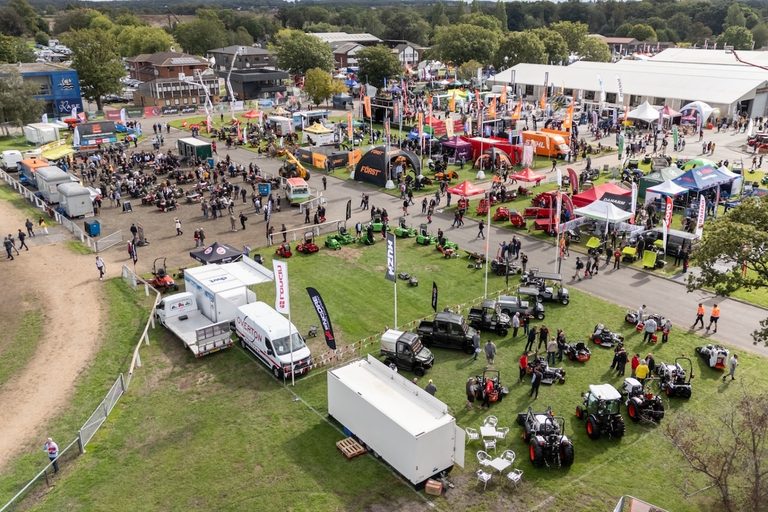
I could not help but notice the phenomenal amount of robotic, remote-controlled and autonomous mowers and line markers that were on show, at GroundsFest recently. Some prime examples included:
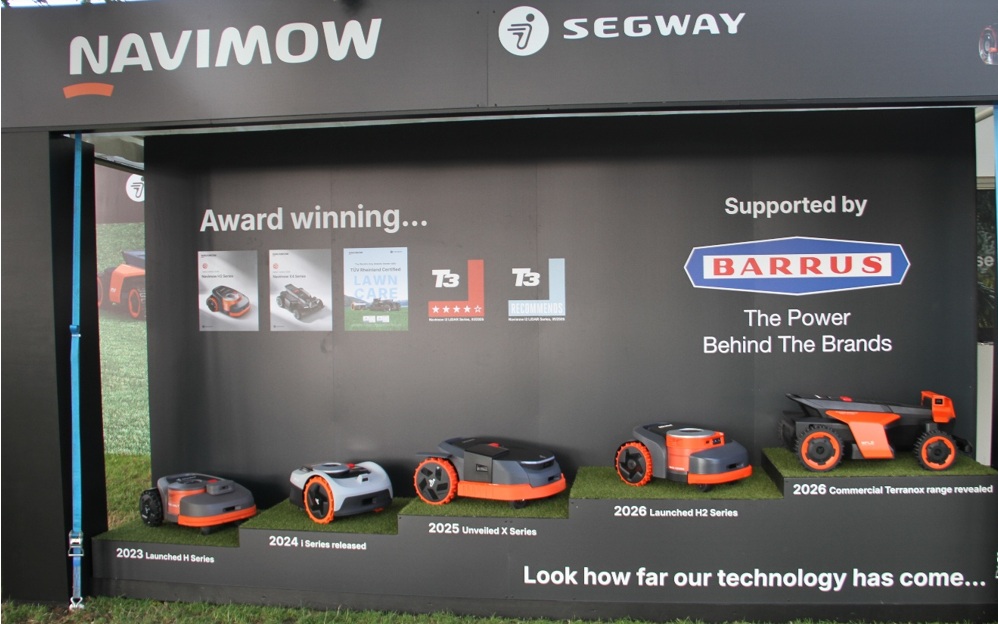
Segway Navimow who now have a substantially broader robotic-mower range than only a few years ago. Its 2026 line-up is particularly interesting because it is moving beyond domestic lawns towards larger commercial and professional applications.
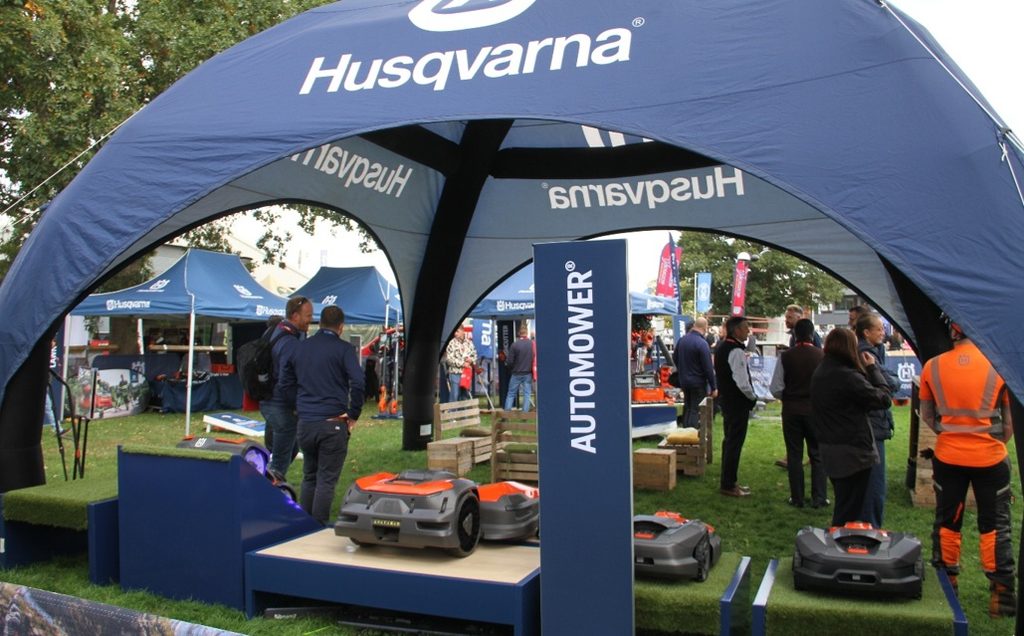
Likewise, Husqvarna now has a substantial professional robotic-mowing range specifically aimed at amenity, municipal, sports-turf, golf and facilities-management applications. The important development is that the range has moved well beyond the original small Automower concept.
The manufacturer currently divides its professional robotic offering principally between CEORA for large areas and Automower Professional for smaller or more complex areas.
In recent years we have seen their popularity growing in the golf sector, with many clubs investing in the CEORA range of mowers. Their advanced robots utilise AI with a camera-based vision system providing improved obstacle detection and night vision.
That could become particularly important on public parks and sports grounds, where the major issue isn’t necessarily whether the robot can cut grass – it is whether it can operate safely around people, balls, dogs, equipment and temporary obstacles.
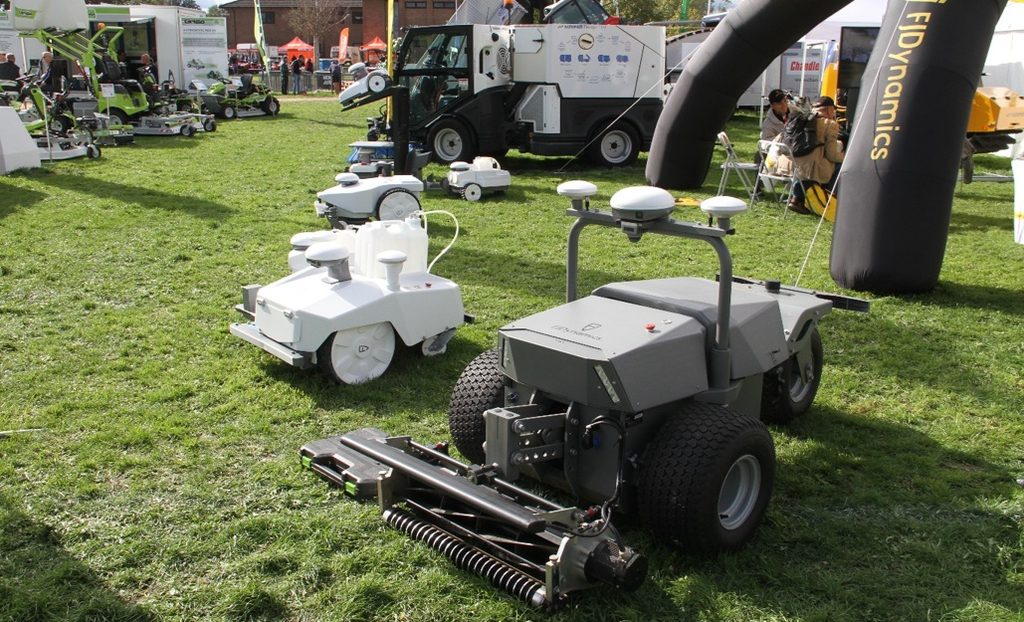
Agrovista Amenity has also become quite active in robotics for UK professional turf markets, teaming up with FJ Dynamics. Its current offering is broader than just robotic mowing, with three principal robotic products – the RM21 Combo, THOR, and PaintMaster Pro RLM01.
The RM21 Combo is a dual mower and linemarking machine.
Agrovista says the system can mark football, rugby, American football, hockey, tennis and other sports surfaces, claiming up to 20 standard 11-a-side football pitches per charge.
The company have also produced the RCM01 which is an autonomous robotic cylinder mower built for golf fairways and premium turf facilities. Thus, offering a better cutting quality than rotary mowing.
STIHL‘s UK robotic-mower offering has changed quite significantly. As of 2026, the company has moved to a new iMOW generation offering several models (3- 7 pro) that cuts between 500m2-8000m2 with the iMOW PRO specifically aimed at sports clubs and commercial grounds maintenance.
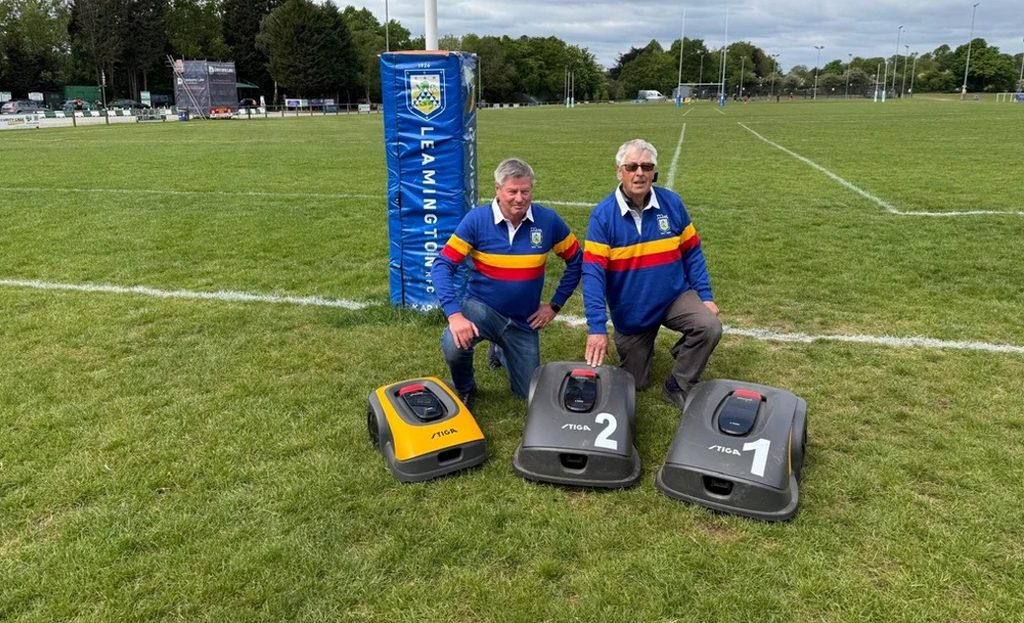
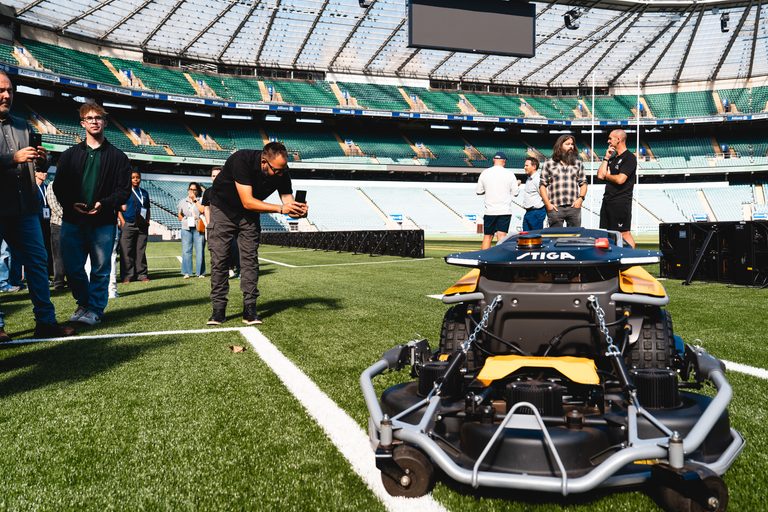
STIGA were another popular brand at the show. They have become a large player in the robotic mower market, with their recent partnership with the RFU – offering free autonomous mowers to up to 200 grassroots rugby clubs in its first year. A typical allocation sees between two and three machines per club.
They have been well received and are helping clubs improve the maintenance of their facilities. I know of several midlands clubs that have benefited from this unique offer.
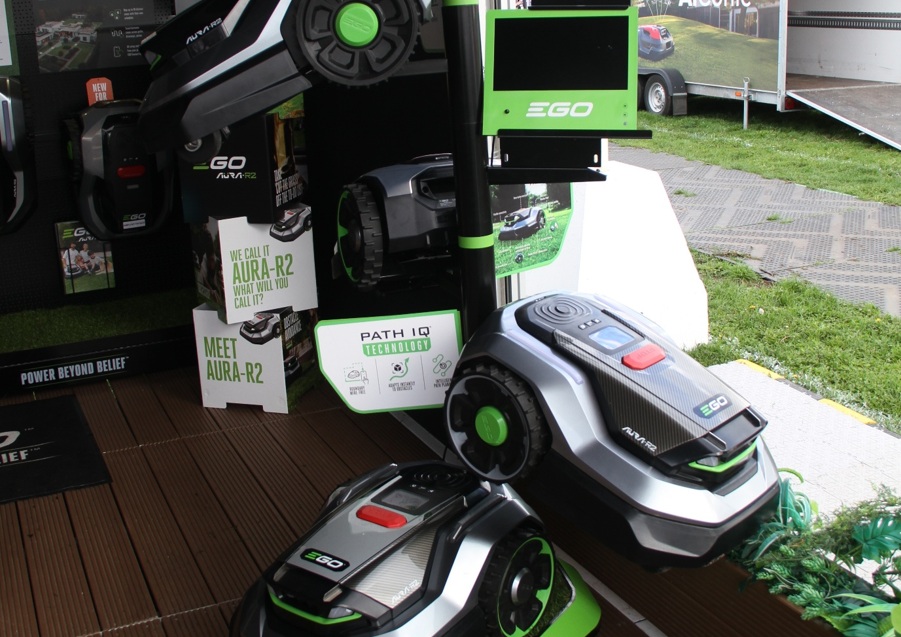
EGO also launched three new EGO Power+ AURA-R2 RMR PATH IQ Robotic Lawn Mowers that are deigned to mow areas ranging from 1500m2 – 6000m2. The mower’s dual-camera system detects and reacts to obstacles in real time, safely avoiding pets, people and garden features.
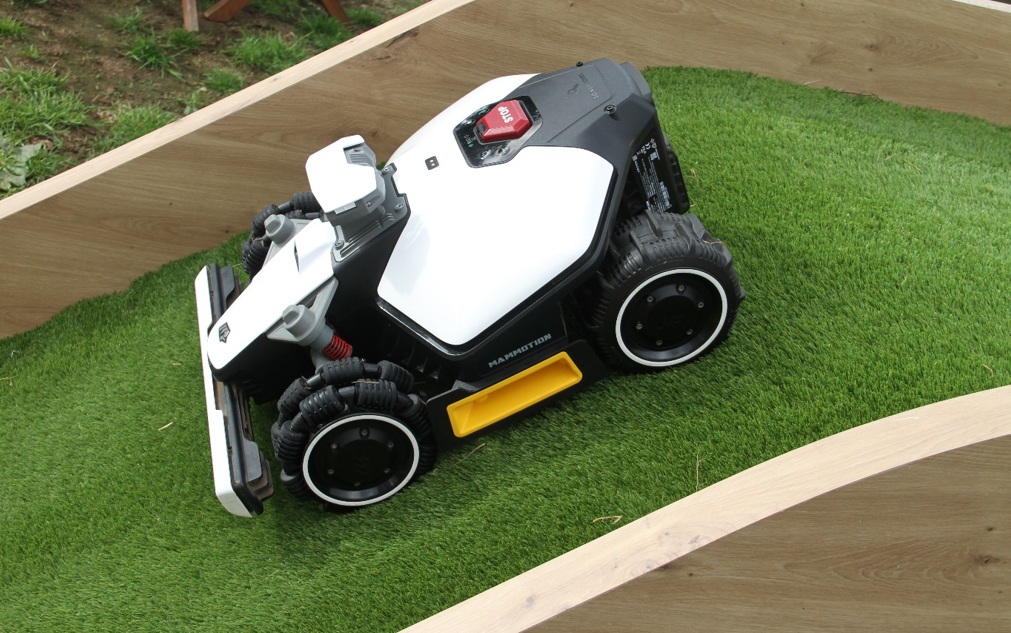
Mammotion is also an interesting company to watch because its technology is moving rapidly from domestic robotic mowing towards more sophisticated autonomous outdoor equipment. Its current product development also includes the Maston professional autonomous mowing platform, which is specifically being developed around professional mowing and golf-grade cutting.
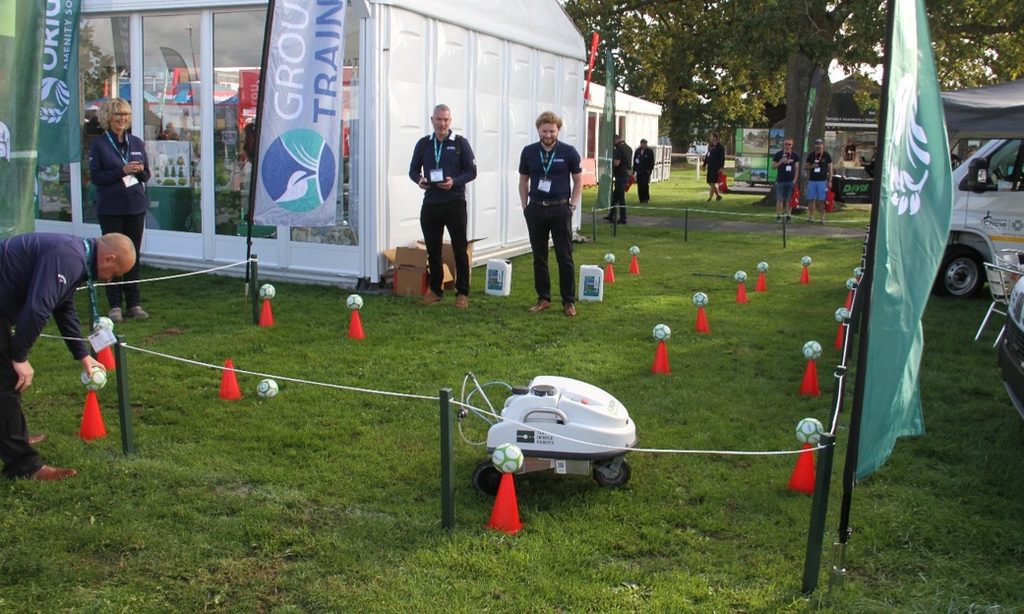
As for other line marking robots, both Turf Tank and Origin Tiny Robots were on demo. Both companies have been prolific in selling their machines in recent years. They are both now popular with landscape maintenance contractors, grass roots sports clubs, and schools with the ability to over mark many different sports pitches economically.
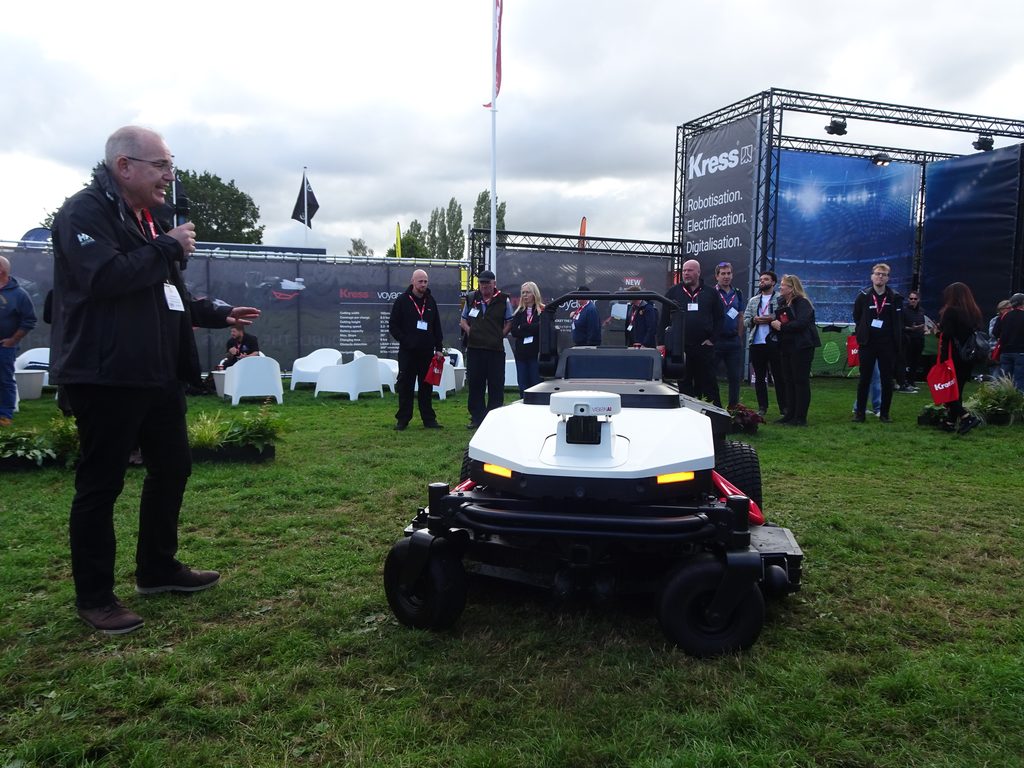
Kress have also launched a series of new robotic mowers into their portfolio and have been successful in attracting a lot of interest in their robots which again are finding their way into schools’ grounds and golf clubs.
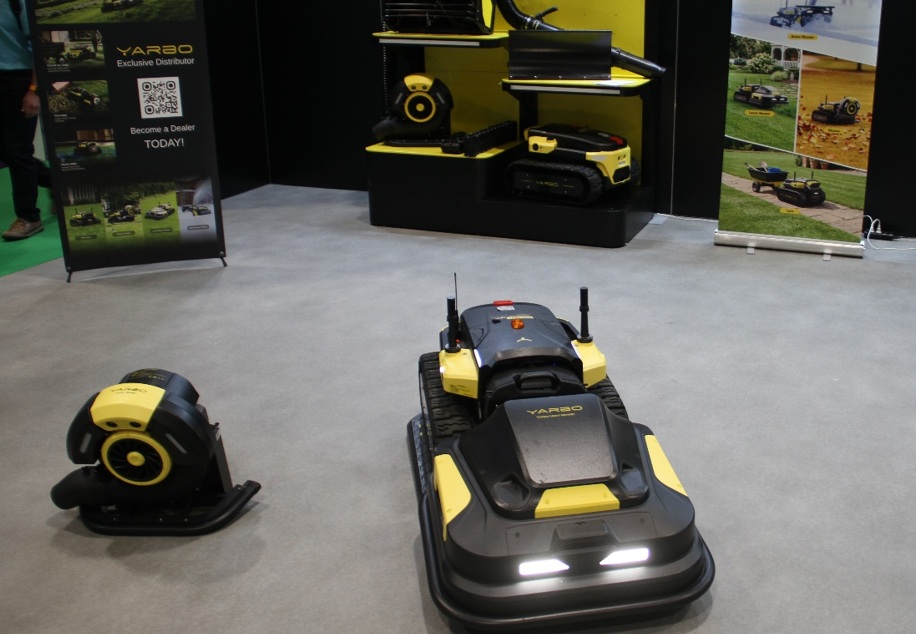
There were many others on show that included the likes of Yarbo, Belrobotics, Cramer (now Greenworks Commercial), ECHO Robotics and Cobra to name a few. The market is becoming ultra competitive and we are spoilt for choice.
For me the FJ Dynamics robot cylinder mower could be a game changer. Having a cassette cylinder blade attachment means that the cutting quality is significantly improved and no doubt it wont be long before a collecting box system will be added to the mower. Also, cassettes can be changed to accommodate Verticutting and sarel role units.
We are seeing a rise in the number of golf clubs taking on these robots, mainly due to cost savings and the ability to mow grass out of working hours. For me, the software programming of the robots is getting more user friendly, and they are becoming more reliable.
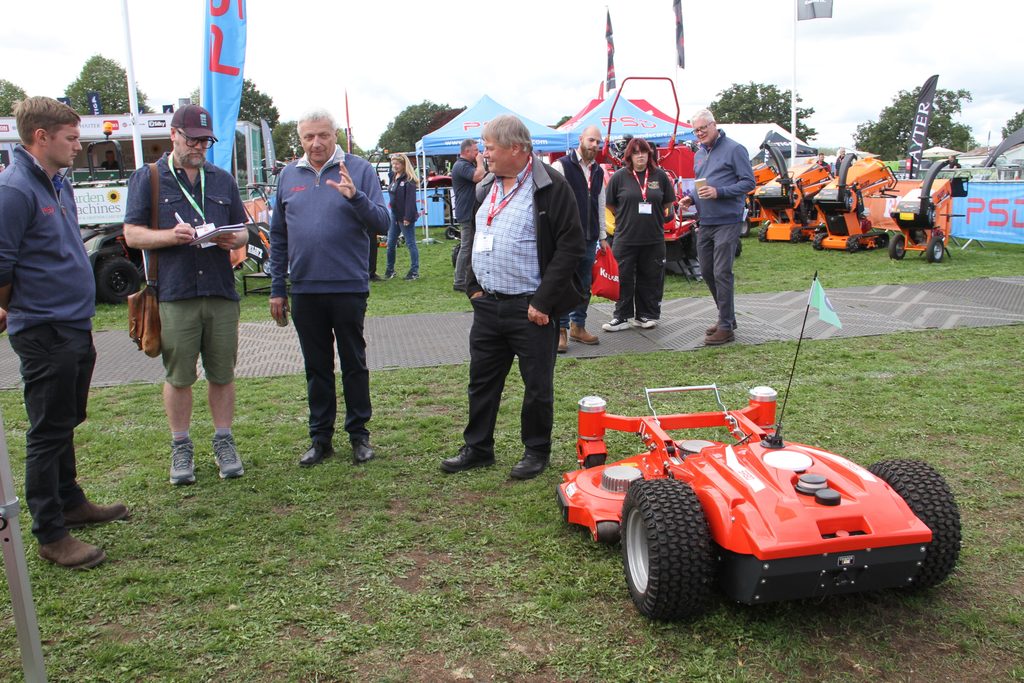
As for remote controlled units, again there was a plethora of machines to see at the show. I was impressed with the Sabo Mowit on the PSD stand, a machine that can deal with rougher terrains and long grass areas. A popular product for local authorities.
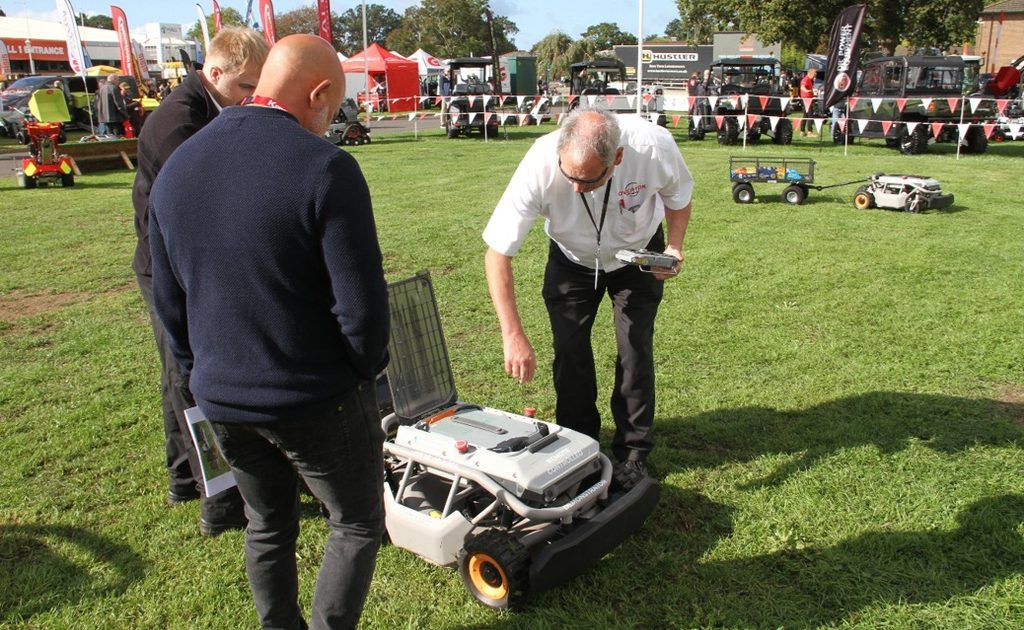
There was also some keen interest in Overton’s remote-controlled rotary mowers. Both two- and four-wheel drive models can multitask by having enough power to tow a fertiliser spreader and small trailer.
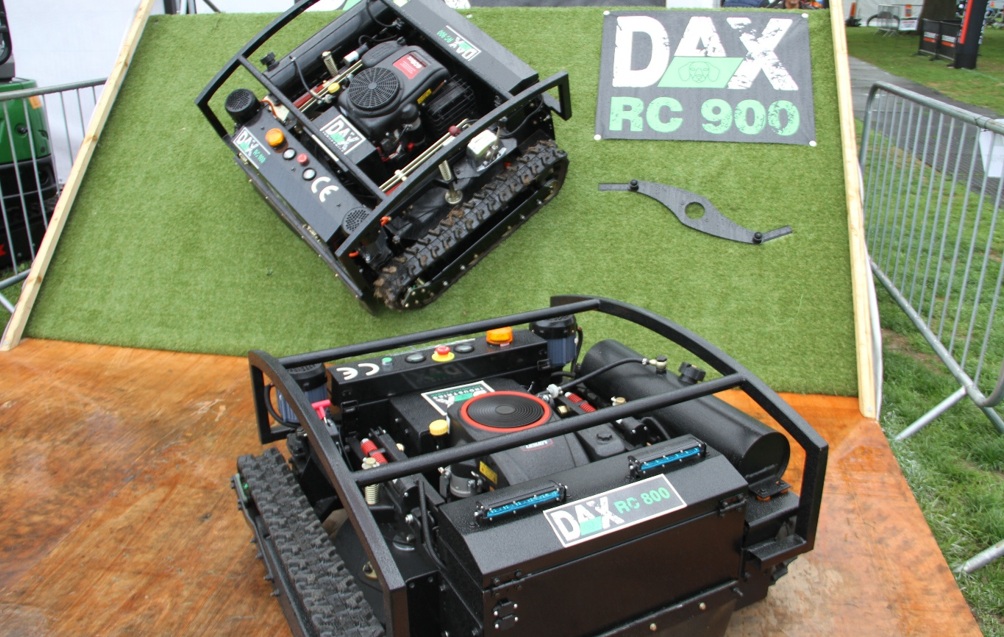
There are also several track vehicles allowing accessibility to very steep banks and rougher terrains. These vehicles are becoming more efficient offering both fuel and battery driven units.
All in all, GroundsFest proved to be a diverse outdoor machinery show, with both punters and exhibitors pleased with the outcome of the show. We are told by the organisers that a total of 10664 visitors attended the two-day show. With stand space taken up by exhibitors in 2023 at 8500m2 rising dramatically to 42,000m2 for 2026.
I am sure next year’s show will continue to improve and attract a wealth of new exhibitors and visitors. Also, I have little doubt that we will see even more robotic devices in the coming years.