How to resolve AdBlock issue?

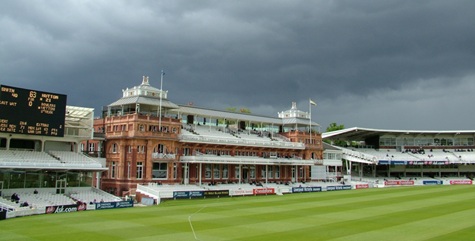
PICTURED ABOVE: Lord's on day 4 of the 2026 England vs New Zeland Test (pic from Service Dealer editor, Steve Gibbs)
TurfPro editor, Laurence Gale, writes . . .
Over the weekend I have read numerous news stories and social media posts about the state of the Lord’s Test pitch.
People are talking about the surface because it produced an unusually high number of wickets in a short space of time, erratic bounce, and very difficult batting conditions in the England–New Zealand Test. The debate is not just about whether the match was exciting - it was about whether the pitch is a fair Test match surface.
16 wickets fell on the opening day and by the end of the second day 33 wickets had fallen. Several batsmen were dismissed by deliveries that either climbed unexpectedly or stayed low.
These numbers are exceptionally high for a Test match in England and have led many former players and commentators to question the quality of the surface.
Former England captain Michael Vaughan said he was entertained by the cricket but did not think it was a good pitch.
Similarly, Nasser Hussain described the wicket as "substandard" and "not good enough" for Test cricket, arguing that high-quality bowling was being exaggerated by an overly difficult surface.
For someone interested in turf and pitch preparation, this Test was particularly interesting because it highlights the constant challenge curators face: producing a surface that helps bowlers while still allowing high-quality batsmen a realistic chance to succeed.
However, for me, I do see it from the head groundsman’s point of view. Knowing most of them personally having interviewed many of them over the years, they all work extremely hard to produce a consistent bowler and batsmen friendly wicket. However they all know that the weather can play a significant role in the performance of the pitch on any given day. The conditions can also curtail the maintenance and preparation of wickets.
Preparing a Test match wicket is one of the most technically demanding jobs in sport. A good Test pitch must survive five days, provide a fair contest between bat and ball, and behave predictably enough that skill - not random variation - decides the outcome.
The nuances and challenges lie in managing soil, moisture, grass cover, rolling, weather, and timing over several weeks before the match. Most turf professionals never know how any given pitch will perform until the first few balls are bowled.
Small differences in moisture, grass cover, rolling intensity, preparation timing can have enormous effects on how the pitch plays.
Weather affects cricket ball bounce mainly by changing the moisture content, hardness, and structure of the pitch. For curators and grounds managers, bounce is largely a function of how much energy the surface returns to the ball after impact.
We must also consider the actions of the players and their skill levels that contribute to the match day results.
For me there are too many variables that can influence the performance and quality of a given pitch.
There is no fixed rule that says a cricket pitch must have its clay soil completely replaced every certain number of years. In fact, most cricket squares are never fully replaced during their normal life. Instead, they are continually renovated through scarification, topdressing, overseeding, and re-levelling.
The real question is: "When has the existing profile deteriorated to the point where renovation is no longer restoring performance?"
No doubt we will hear further discussion about the Test wickets at Lord’s and other County grounds in the coming months. Knowing Karl and his team, they will have endeavoured to produce the best pitch they could. For me it is fundamentally down to the weather, what lies below and how well the players adapt and perform on the day.
Editorial Address:
LandPower Publications LLP, Howbery Park, Benson Lane, Wallingford, Oxfordshire, OX10 8BA
Telephone:
Steve Gibbs: +44 (0)7929 438213