Technology Targets Weed Control
On UK rail network
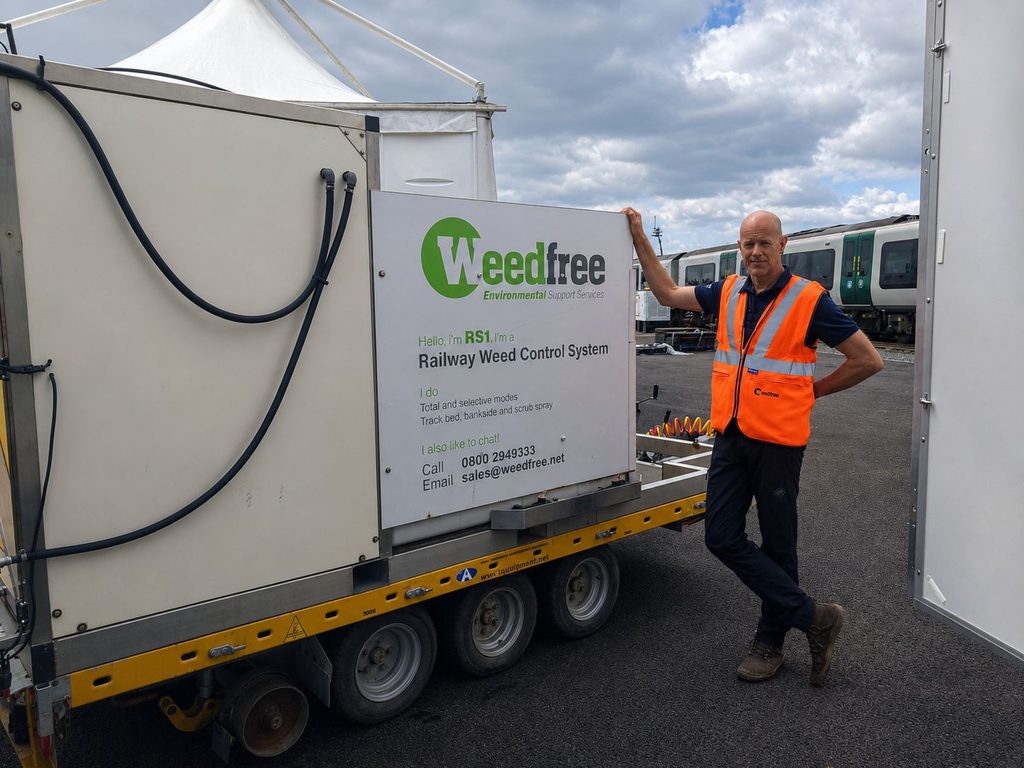
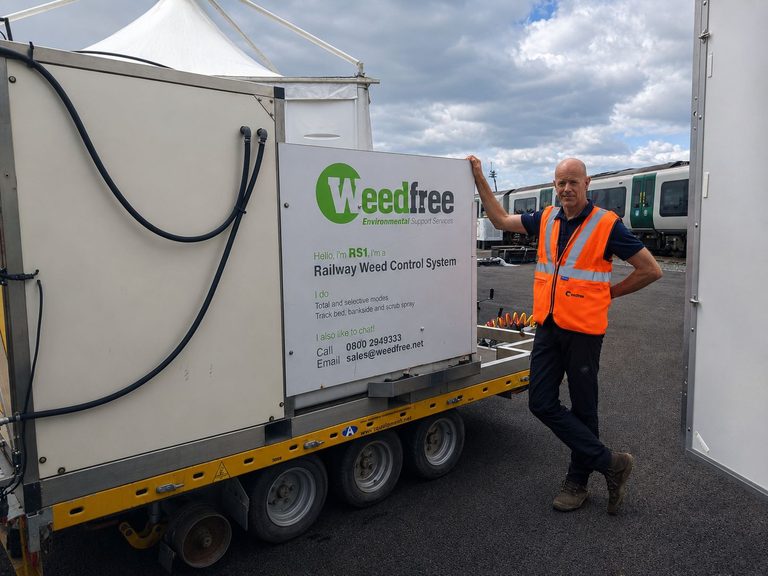
Advances in precision spraying technology are helping to make vegetation management across the UK’s rail network more targeted, reducing unnecessary herbicide applications, according to Richard Stow, director of the Amenity Forum and managing director of Weedfree Limited.
Speaking as part of the Forum’s Meet the Board series, Richard, who has worked in amenity vegetation management for around 33 years, said increasingly sophisticated weed spray trains were now capable of distinguishing between clean railway ballast and areas where weeds were present.
Rather than treating entire sections of track, the technology allows herbicide to be applied only where vegetation is identified.
“For me, that’s where the future lies. Targeted spot treatment means using less product, reducing unnecessary applications and making much better use of the resources available to us,” he said.
Richard believes the approach has wider implications for the amenity sector, adding that targeted application is likely to become increasingly important in pesticide use generally.
He explained that vegetation management on the railway is about considerably more than appearance, with weed control playing an important role in maintaining drainage, access and safety.
Vegetation can trap moisture and organic material in railway ballast, affecting its ability to drain effectively. Over time, this can contribute to ballast deterioration and potentially create engineering and safety issues. Uncontrolled growth can also restrict access for inspection and maintenance.
Richard said managing vegetation on the railway presents particular challenges because of the scale of the network and the limited opportunities to access infrastructure without disrupting train movements.
He also highlighted how Integrated Pest Management (IPM) needs to be adapted to the environment being managed. While alternative approaches such as sweeping and thermal treatments may be suitable for some hard surfaces, they are generally impractical for treating thousands of miles of operational railway.
Instead, he said, a more integrated approach involves managing different vegetation types appropriately across the wider railway estate, controlling growth where it presents a risk while allowing suitable vegetation to establish elsewhere.
On the subject of pesticide availability, Richard argued that decisions about which products remain available to professional operators should be based on scientific evidence and risk assessments rather than public perception.
“We should use less pesticide wherever we reasonably can, target it better and continually look for better alternatives,” he said. “But the decision about which tools trained professionals are allowed to use should ultimately be based on evidence, science and risk.”
Looking beyond the rail sector, RIchard believes the wider amenity industry could learn from the importance placed on consistent working standards within the railway.
He would like to see the Amenity Standard adopted more widely, providing a recognised framework for what constitutes good vegetation management across different environments.
“The end goal is relatively simple: safe, well-maintained environments, weed free and free draining where that’s necessary, and beautiful, green and blooming everywhere else,” he said.
Richard joined the Amenity Forum Board to bring a practical perspective gained from more than three decades in the industry, representing the businesses and people responsible for delivering professional vegetation management.