How to resolve AdBlock issue?
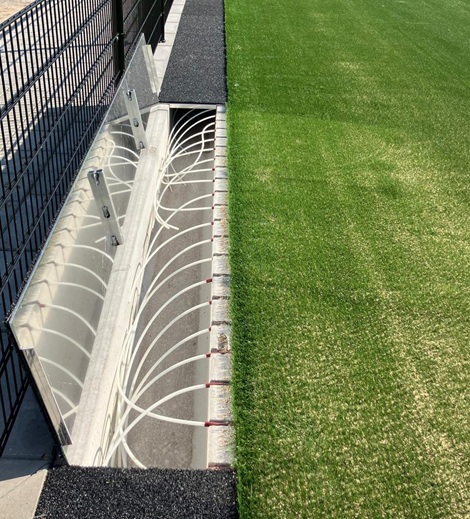
A pioneering project in the Netherlands is using synthetic sports pitches to capture and store solar heat, with the technology offering the potential to provide renewable energy for nearby homes and public buildings.
The system works by collecting heat absorbed by the artificial turf surface and transferring it through a network of pipes installed beneath the pitch. The energy can either be used immediately or stored underground for use throughout the year. As well as generating renewable heat, the system also helps reduce surface temperatures on the pitch during warmer weather.
The initiative forms part of the Dutch sports sector's long-term sustainability strategy, which aims to reduce carbon emissions by 95% by 2050. The programme is being supported by the Sustainable Sports Facilities team at the Knowledge Centre for Sport & Physical Activity, which is working with municipalities and sports clubs to promote low-carbon solutions for community sports facilities.
Heat collector pitches have already been installed in Eindhoven, Zaanstad, Gouda and The Hague. The renewable energy generated is being used to supply nearby buildings including homes, swimming pools, schools, sports facilities and childcare centres.
According to the project partners, a single full-size synthetic pitch could generate enough renewable heat to meet the annual heating demand of up to 300 homes, depending on local conditions and the connected heating network.
With more than 1,250 synthetic football pitches across the Netherlands, the technology is estimated to have the potential to reduce national CO₂ emissions by up to 0.45 million tonnes annually if deployed on a larger scale. Amsterdam and Haarlem are among the municipalities planning to incorporate the technology into future synthetic pitch replacement programmes where suitable.
Stefan Diderich, director general and CEO of the EMEA Synthetic Turf Council (ESTC), said the project demonstrated how sports facilities could play a wider role in supporting local renewable energy generation alongside providing year-round playing surfaces.
Editorial Address:
LandPower Publications LLP, Howbery Park, Benson Lane, Wallingford, Oxfordshire, OX10 8BA
Telephone:
Steve Gibbs: +44 (0)7929 438213