Are We Facing A Recruitment Crisis?
What can the professional turf care sector do?
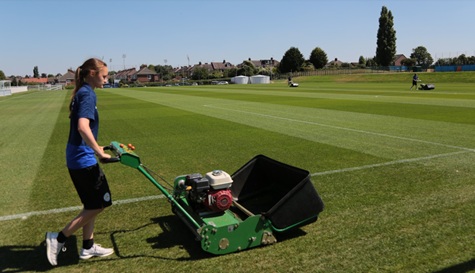
I read a recent article in The Telegraph that stated, “Nearly one million 16 to 24-year-olds are not in employment, education or training.”
The piece said that it has emerged that Britain’s youth worklessness crisis means 981,000 young people are not in employment, education or training (Neet). Polling carried out by YouGov found that 11pc of workless 16 to 24-year-olds believed they would be classed as a Neet forever.
The article quoted Alan Milburn, the former Labour cabinet minister, who said it would take “billions” of pounds to get young people aged 16 to 24 into work, education or training before changes reduced the welfare bill.
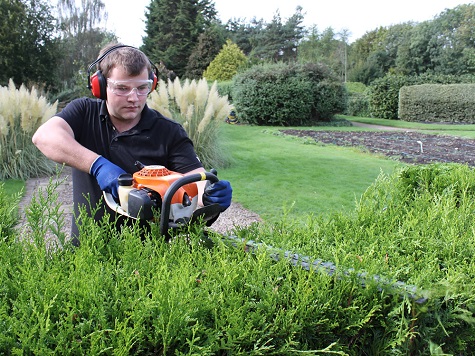
From personal experience and talking to many grounds professionals at recent industry trade shows, many are clearly worried about the lack of young people wanting to come work in our industry.
Alan Milburn also stated in his report that was published last week, a recommendation of a radical shift in government spending away from benefits for young people to measures that support them in work. It will be enacted by introducing a legal guarantee that young people will be given a job, training or employment support.

The issue I have is that this report is talking about the youth working requirements across the whole working sectors of the UK – and many of those jobs are probably less demanding and better paid than working on the tools in our sports turf and amenity horticultural industry.
The difficulty is this is not simply that young people “don’t want to work outdoors”. The UK sports turf, amenity horticulture, parks and grounds sector has a deep structural recruitment problem.
The GMA’s latest 2026 Workforce Insight Report is particularly revealing: nearly half of the grounds workforce is aged 45–64, while around 15% are expected to retire within three years. The GMA also identifies fragmented entry routes, limited apprenticeships, pay and work-life-balance concerns and financial pressure on employers as major workforce problems.
So why are we struggling to attract young people? We all know that for years, we have had an image problem. Namely a perception of ‘cutting grass, digging holes and being lowly paid’!
A young person comparing a grounds-maintenance job with construction, engineering, logistics or other occupations may reasonably ask: “Why should I work outside in all weathers, start early and sometimes work weekends for that salary?”

The GMA’s 2026 research found concerns around pay, benefits and work-life balance, together with long hours and overtime.
The reality is very different. A modern sports turf manager may need knowledge of turfgrass science, soil science, irrigation, drainage, machinery, weather, nutrition, integrated pest management, environmental management, water conservation, health and safety and increasingly data and technology.
The GMA has specifically been defending turf and grounds qualifications because of this misconception, pointing out that modern programmes involve science, technical expertise, sustainability and environmental management.
The GMA’s own work with NextGen is an acknowledgement that the sector needs to engage people while they are still at school or starting their careers.
The only way we are going to entice the next generation to come and work in our industry is by going into schools and promoting the vast career opportunities available nationally.
Currently the GMA, BIGGA and other industry organisations such as Lantra, BAGMA, RHS and the colleges do attempt to inform school leavers of the opportunities, we can offer. But we are not getting anywhere near enough the applicants we need to fulfil our needs in the coming years.

We have for years relied on the drip-feeding approach and not really tacked the problem of recruitment, pay and conditions. I personally have said for several years that we need as an industry to come together and work collaboratively to achieve three aims.
- Go into schools on a national basis and inform all school leavers of the benefits and opportunities of working in our industry.
- Create a new pathway into the industry, maybe a one / two-year practical apprenticeship type scheme that allows up to four work placements during that period. With the local colleges providing the admin support.
- And the scheme should be fully funded by the government current educational levy that they have in place for such schemes. I believe there is well over £3.5 billion pounds available for such schemes. This money should pay both the wages and education support of the two-year programme.
This scheme ideally needs to promote 5,000 places per year for the next five years, that would see a total of 25,000 young people coming into our industry, and yes, we may get some dropping out, but I am confident that many will stay the distance and eventually want to work in our Industry.
Even recently at SALTEX I brought this subject up with a few well-known industry people, who all agreed with my thoughts, saying we need to come together. Maybe it’s time that all our industry organisations stopped working in isolation and finally collaborated to make this type of scheme come to fruition?
It is worrying when we read and see the challenges we are facing as a country to recruit young people to actually start working and contributing to society. Let’s hope Alan Milburn’s new report will provide the necessary changes to start to get young people into work.